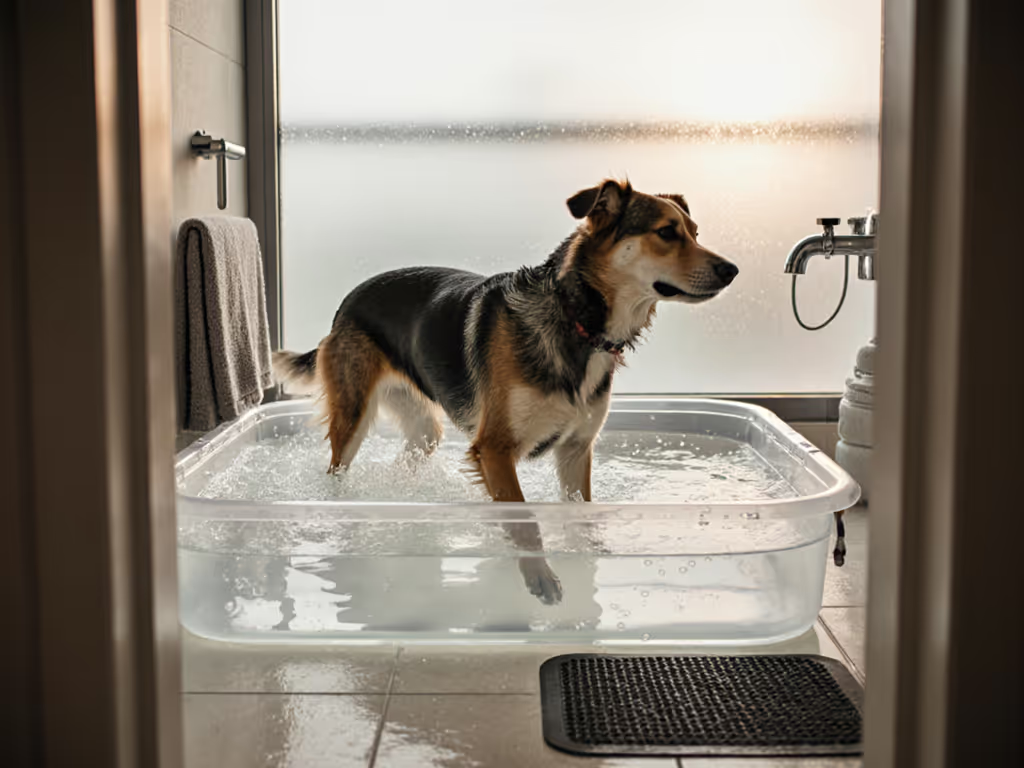
DIY Dog Hydrotherapy: Space-Smart Home Solutions
20th Jan•6 min read
When a dog faces a neurological condition (whether vestibular disease, nerve damage, spinal injury, or balance dysfunction), owners face a gap between what they intuitively know (their dog needs movement and support) and what's actually available in the market. Canine neurological fitness equipment and neurological condition dog exercise gear ranges from evidence-based therapeutic tools to over-hyped gadgets that promise recovery but deliver frustration. The difference often comes down to materials, fit tolerance, and honest failure mode assessment. I've spent years testing gear across weather, surfaces, and the long arc of real use, and what I've learned is that marketing often leads owners astray.
Dogs with neurological deficits need equipment that serves one or more of these core functions: support weight bearing, aid proprioception and balance, manage pain or inflammation, or facilitate targeted movement patterns without over-stressing recovering neural pathways. Here is where skepticism starts: most equipment marketed for "neurological dog exercise" doesn't do all these things, and some do none of them reliably.
The research consensus (confirmed by veterinary rehabilitation specialists) is that neurological recovery depends on repetition, appropriate intensity, and neural re-education (not on gear alone). Equipment is a facilitator, not a miracle. For the underlying science of proprioception and balance work, see canine proprioception training. A harness that slips, a balance tool that wobbles unpredictably, or a traction device with poor ergonomics actively impedes recovery by introducing compensation patterns or pain.
Weather tests gear; your dog tests comfort; time tests value.
This is the hard rule I've learned from months of closet-and-field testing. It applies doubly to rehabilitation equipment.
Support harnesses designed for neurological conditions differ from generic "mobility harnesses" in several critical ways:
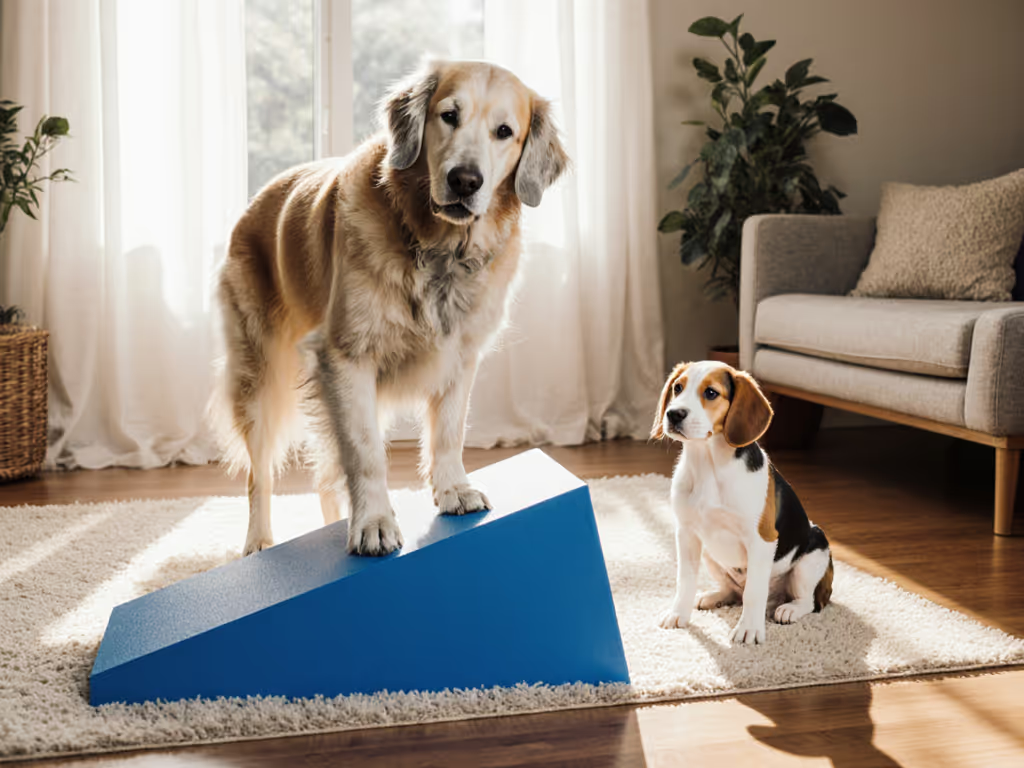
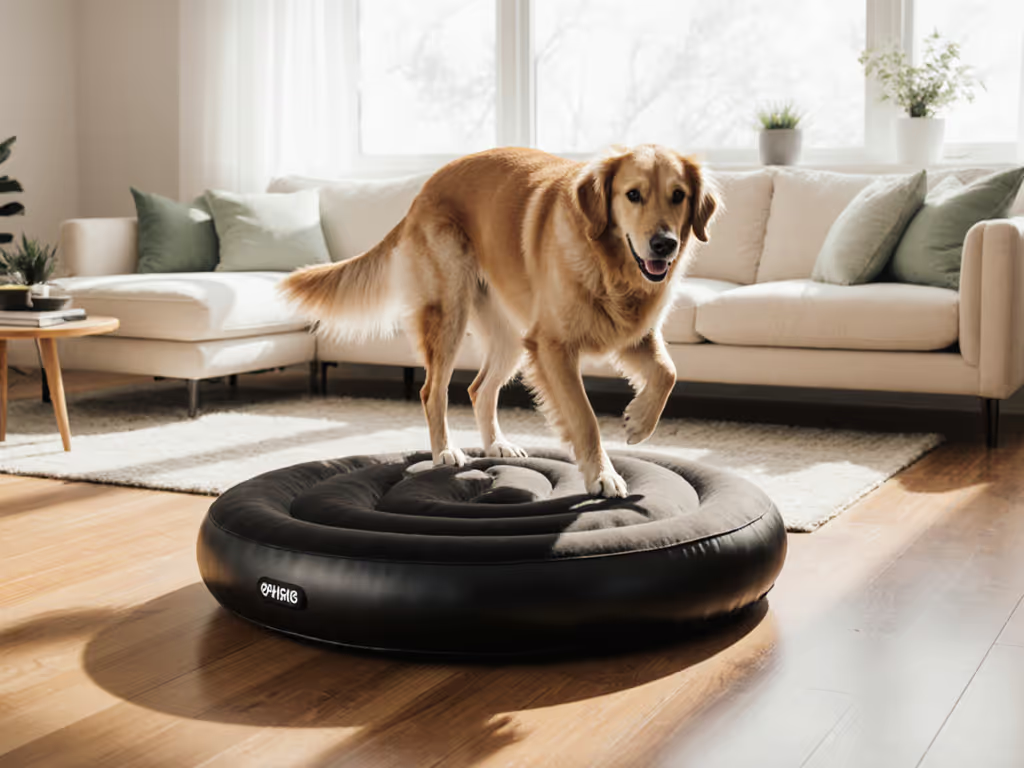
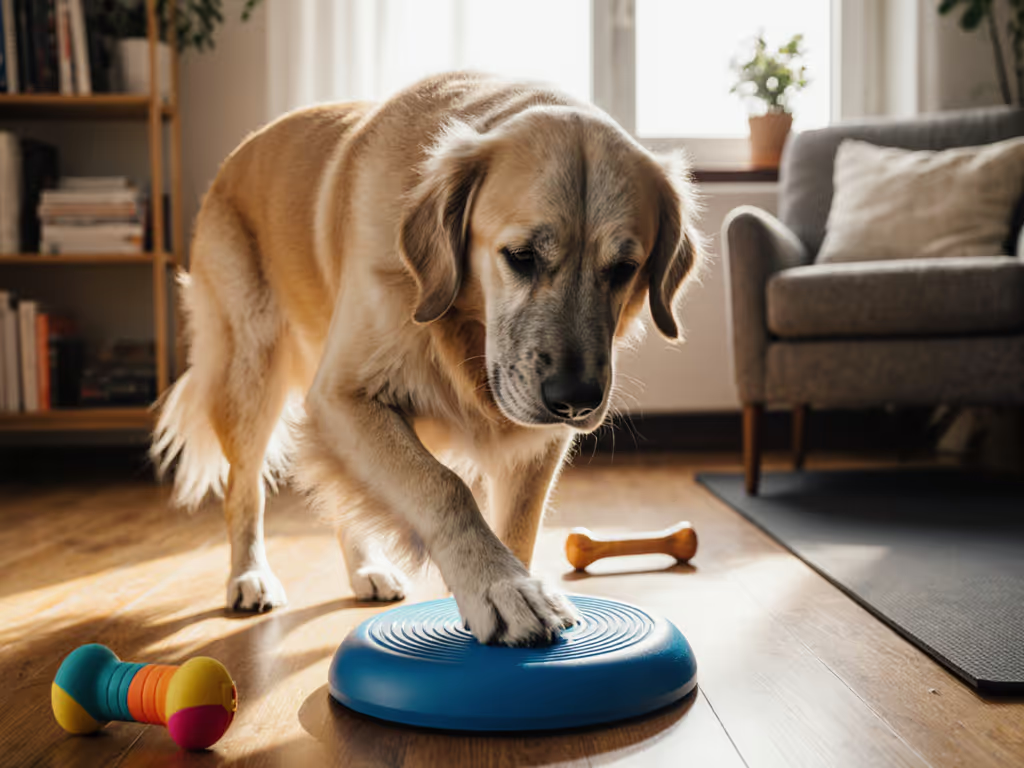
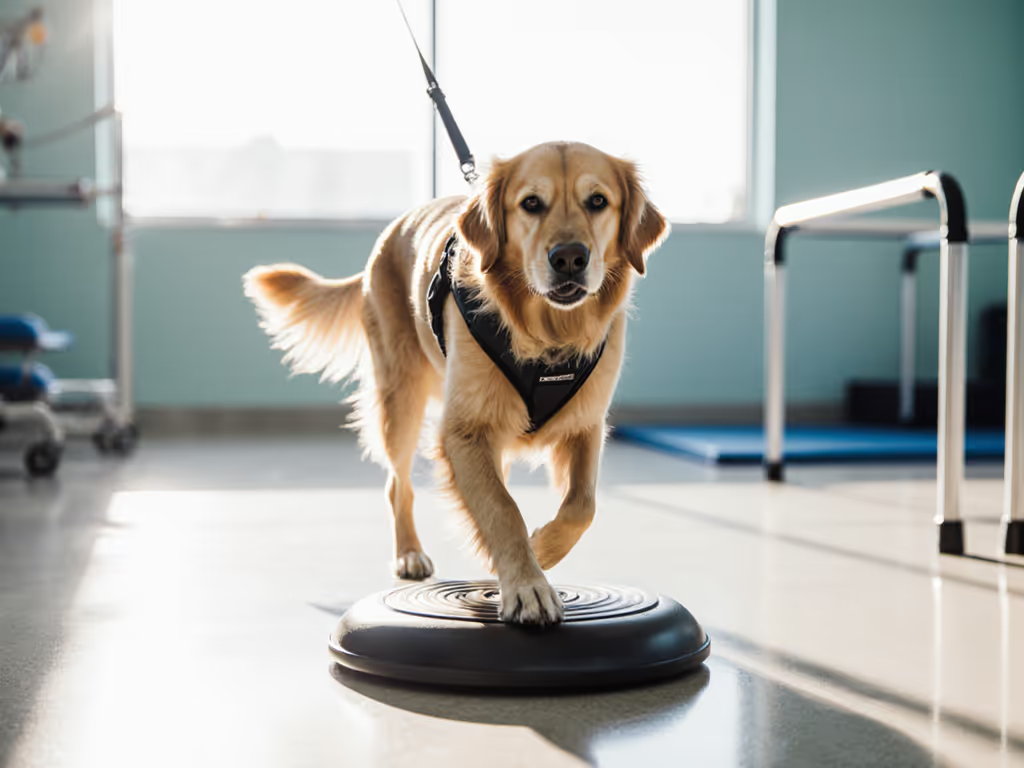
Balance and proprioception tools (wobble cushions, balance discs, low cavaletti rails) work when they're stable enough to challenge without toppling, and non-slip enough that the dog doesn't panic. Marketed "neurological balance pads" are often just yoga mats with a price markup. The real differentiator: does it have predictable give, or does it wobble erratically? Does it stay put on tile or hardwood, or does it slide? These aren't romantic questions, but they determine whether your dog practices recovery or learns fear. For surface choice protocols and safe progressions, read canine stability training.
Dogs recovering from vestibular disease or spinal nerve damage often struggle with slippery surfaces. Equipment for dogs with nerve damage in this category includes non-slip booties, adhesive floor treatments, and traction vests.
These are expensive and mostly available through veterinary rehabilitation clinics, not for home use. If you're comparing modalities, our rehab-focused underwater treadmill vs pool guide can help you decide. For most owners dealing with dog vestibular disease exercise or mild neurological conditions, hydrotherapy is overkill, and the barrier to access (cost, travel, clinic availability) makes it impractical for the long, patient recovery that neurology often requires.
The comparative advantage of home-based tools: consistency and repetition. A dog using a home balance pad daily outperforms a dog visiting hydrotherapy twice a month, all else equal.
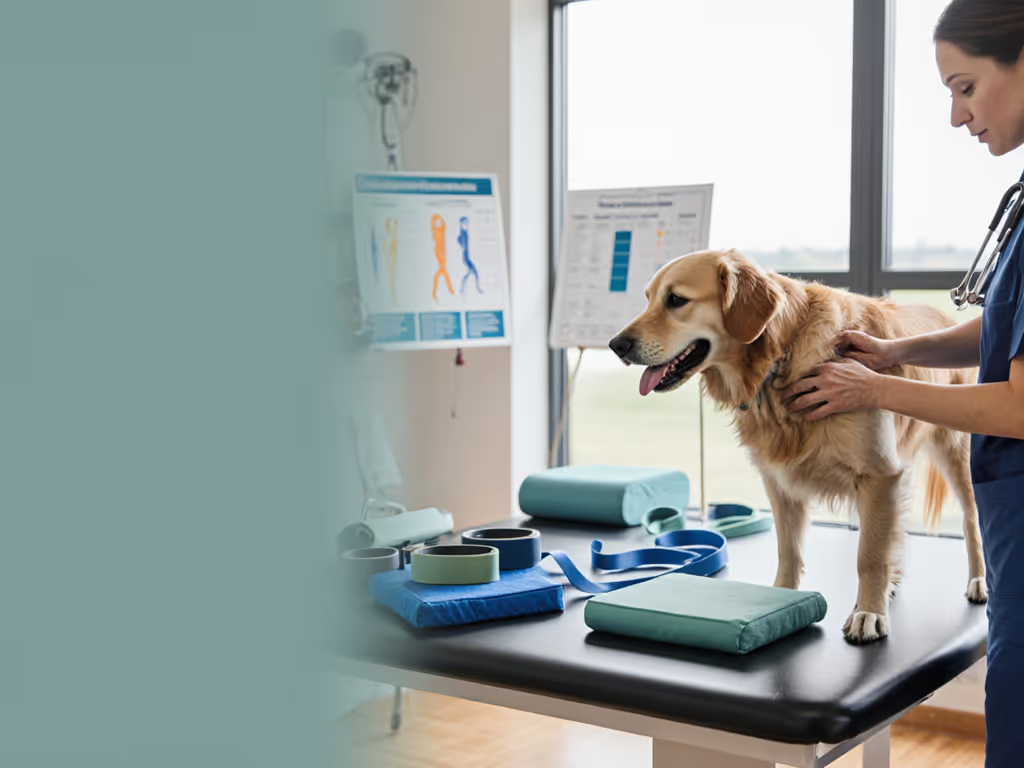
A harness or support tool must fit your specific dog, not a "medium-sized dog." Fit is not just comfort; it's corrective. A properly fitted harness redirects weight to align with healing movement patterns. A loose harness teaches the dog bad posture as a workaround.
Equipment for neurological rehab must be used frequently (often daily) over weeks to months. This means:
Avoid:
Prefer:
A dog regaining balance after vestibular dysfunction needs proprioceptive feedback and slip-free footing, not aggressive support. Pair a non-slip boot or adhesive floor treatment with a lightweight balance tool (a wobble cushion, low platform step, or carpeted ramp). Harnesses are secondary unless the dog is severely compromised.
Here, support harnesses shine (they reduce strain on healing nerves). But only if they're well-fitted and maintained. Combine with non-slip flooring. Avoid anything that forces the spine into unnatural angles.
If your dog is managing a long-term neurological issue, durability and ease of storage become paramount. Buy once, use often. A $200 harness that lasts two years of daily use beats a $50 knockoff that fails in three months and gets replaced four times.
Here's where I'll loop back to my core observation from months of harness testing: the keepers dried fast, didn't stink, and fit months later. The pretty one that stretched? It was beautiful, but it failed. Why? Because the owner couldn't maintain it: it didn't dry quickly, it needed storage in a specific humidity range, and by month three, the elastic had creep. Durability isn't just materials; it's design for real life. For upkeep checklists and cleaning schedules, see our equipment care guide.
Before buying, ask yourself:
Equipment that succeeds in neurological rehab tends to come from companies with deep veterinary rehabilitation partnerships, not those chasing trends. That often means less flashy marketing and more utility. It also usually means higher upfront cost. But here's the calculus: a harness that costs twice as much but lasts five times as long is objectively cheaper and more reliable.
The next step is to consult your veterinary rehabilitation specialist (not your general vet) to clarify your dog's specific neurological deficit and the movement patterns that aid recovery. Armed with that knowledge, apply the selection criteria above: fit tolerance, materials durability, maintenance feasibility, and climate fit. Test gear in your own environment before committing to months of use. To scale safely over weeks, follow our equipment progression guide.
Neurological rehab works when humans stay consistent and equipment stays reliable. Don't let marketing (or the pressure to buy the fanciest tool) override the fundamentals. Weather tests gear; your dog tests comfort; time tests value. Select with that in mind, and you'll build a setup that genuinely supports recovery.