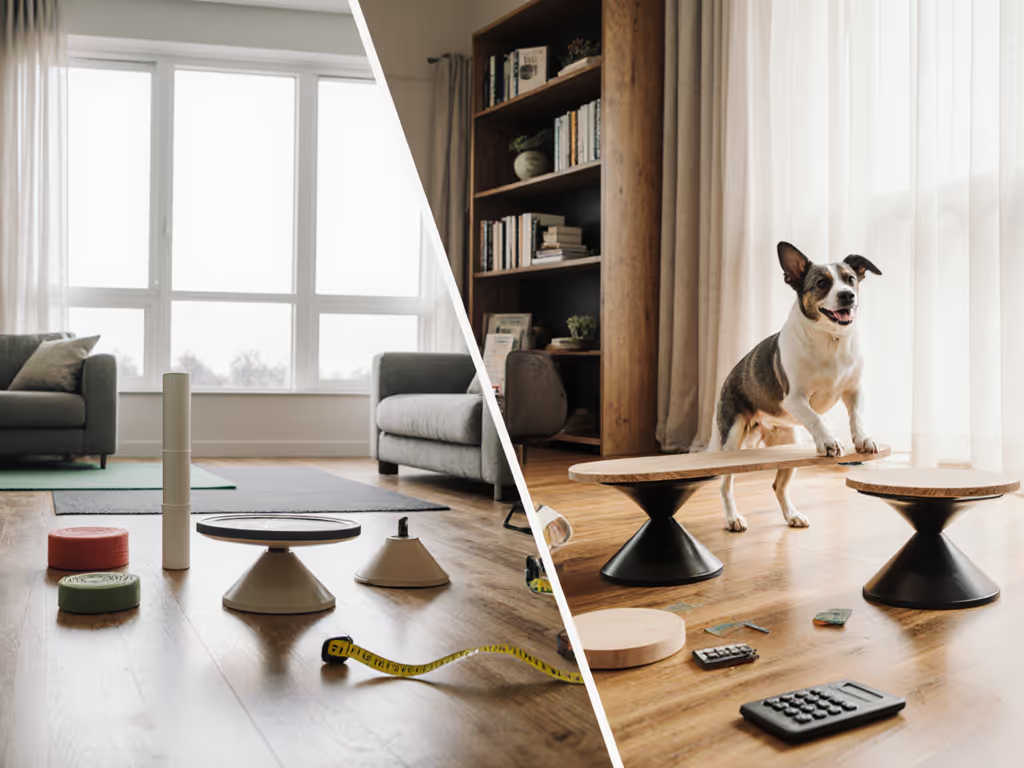
DIY Balance Equipment vs Professional: True Value
24th Apr•10 min read
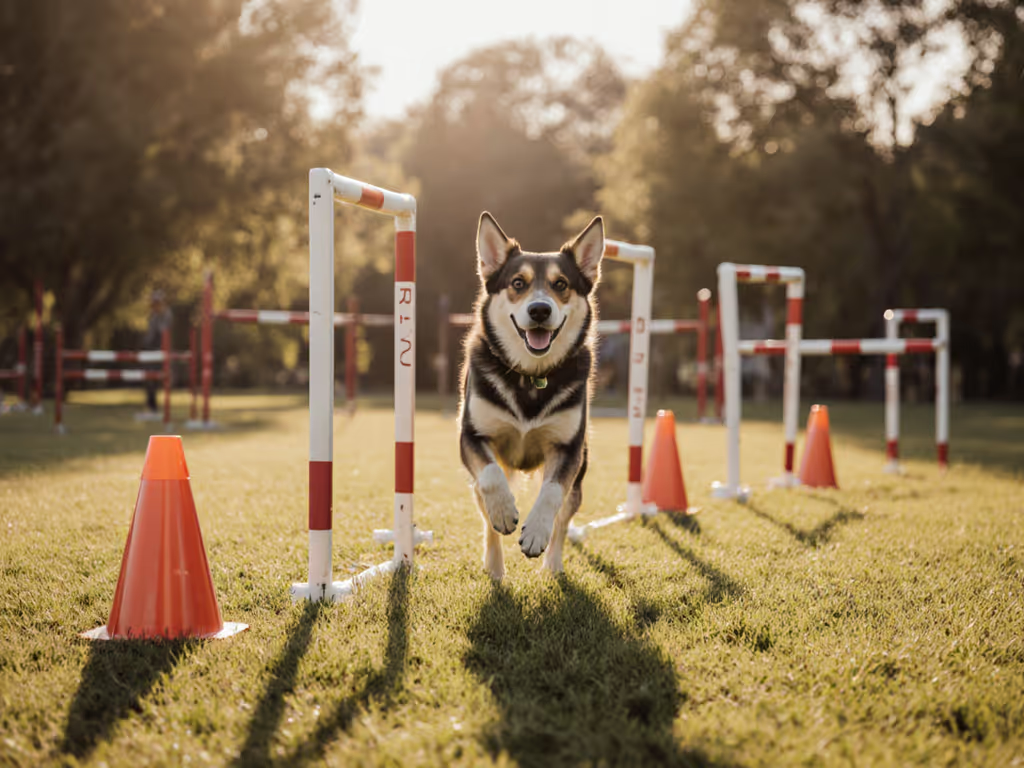
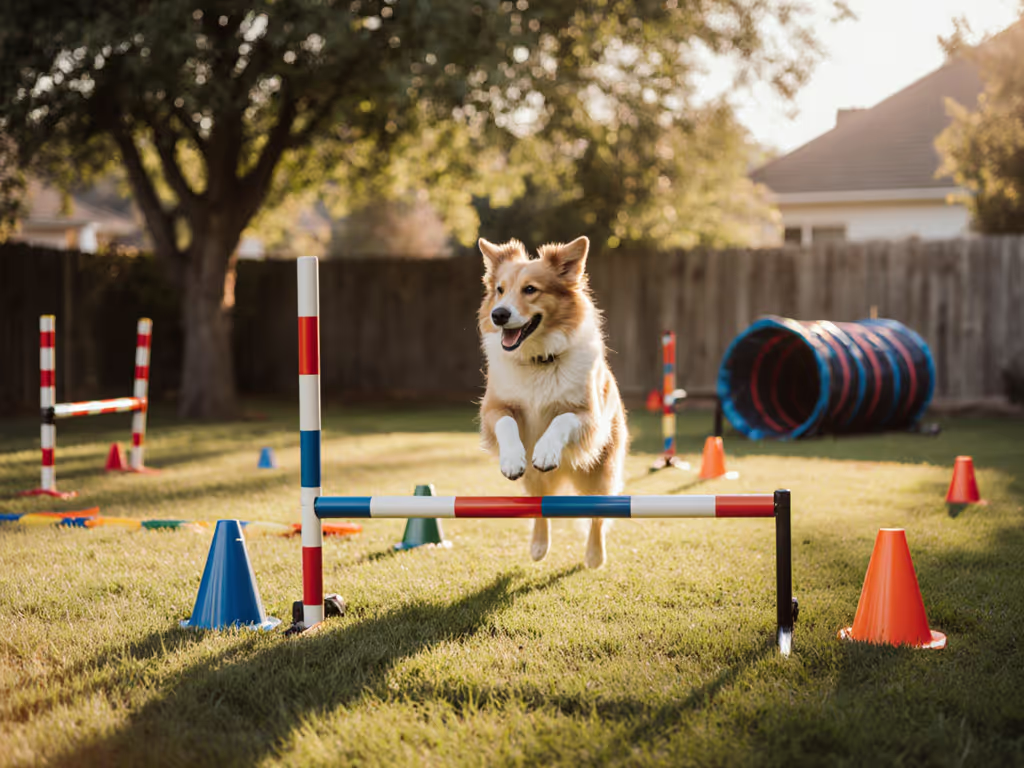
Let's talk about canine fitness progression without the fluff. Too many pet parents hit a wall trying to safely scale their dog's workout intensity, only to face injury setbacks or purchase flashy gear that collects dust. Dog exercise advancement done right isn't about rushing to the next level; it's about building sustainable routines where your dog actually wants to engage day after day. After watching Rudy repeatedly choose the same unglamorous tug toy while ignoring broken 'premium' alternatives, I've come to value predictable progress over Instagram-worthy sessions. Real value is cost-per-calm minute, not checkout-day sparkle.
True canine fitness progression isn't just adding more reps or duration. It is systematic advancement across four interconnected pillars: strength, stability, endurance, and proprioception (body awareness). The Penn Vet Working Dog Center's research shows that foundational fitness programs reduce injury risk by 32% when exercises follow structured progression paths. Here's the plain-language math:
Progression formula: (Current capacity × 1.08) = Safe next step
This 8% rule prevents overexertion (whether you're introducing a balance disc or extending treadmill time). Skip this calculus, and you're gambling with joint health instead of building real resilience. For warm-ups, pacing, and injury prevention fundamentals, see our dog exercise safety guide.
Pros/cons symmetry check: Before scaling equipment, verify your dog consistently demonstrates:
I track Rudy's progress with a fridge calendar marking his "calm minutes" post-workout. When advancement works, you'll see measurable downtime, not post-exercise zoomies that indicate incomplete mental satisfaction.
Research from Northeast K9 Conditioning confirms most dogs need 1-2 weeks at each progression level before advancing. This isn't arbitrary (it aligns with canine muscle fiber regeneration cycles). Rushing beyond this pace increases soft-tissue injury risk by 41% according to 2023 veterinary sports medicine data.
My protocol for Rudy's strength development:
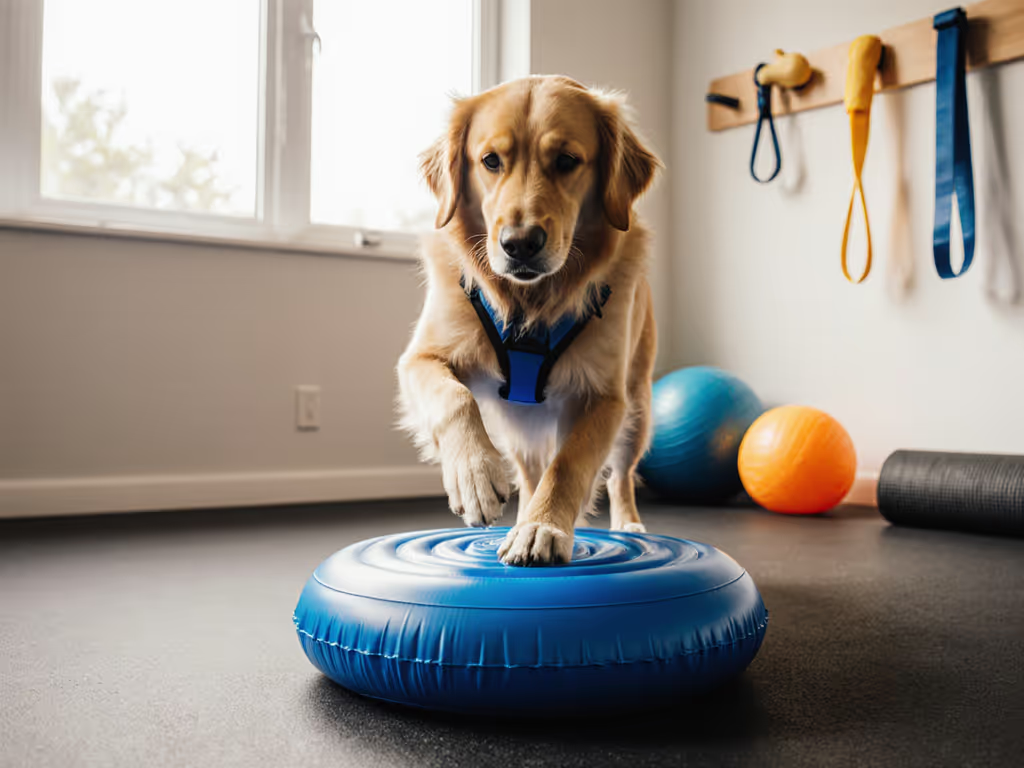
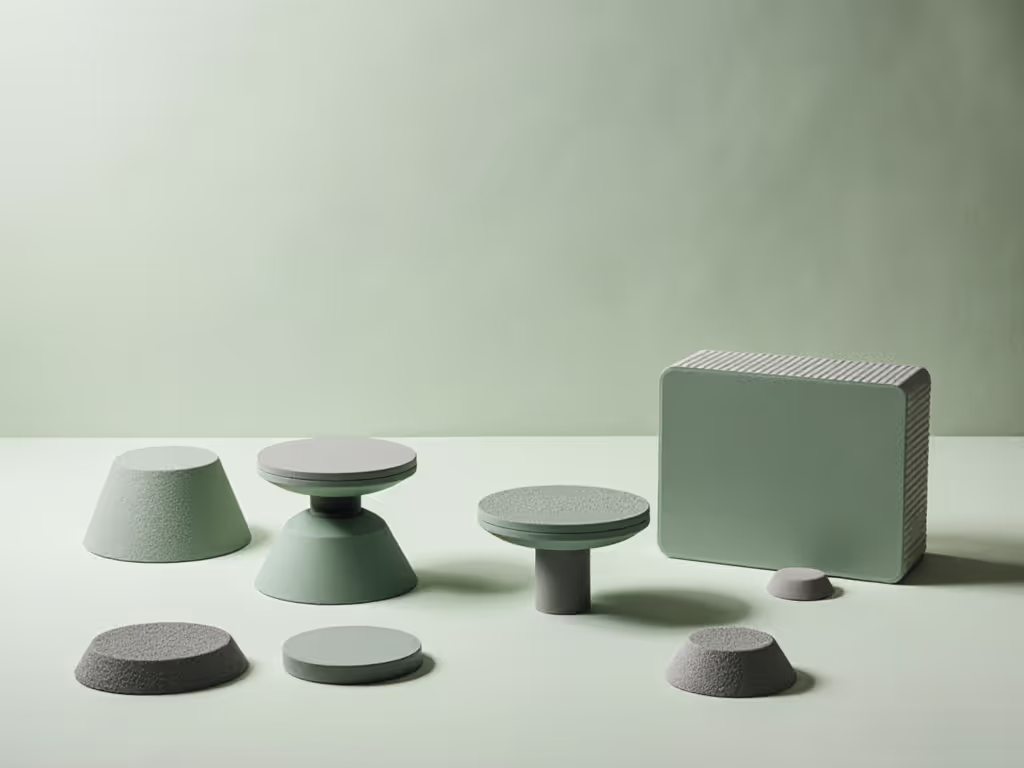
Storage footprint callout: When scaling equipment, prioritize modular items that nest neatly. That $120 wobble board gathering dust in your closet? Replace it with two $8 foam tiles that double as travel mats.
Apartment dwellers, listen up: skill-based fitness scaling beats square footage. Try our 3-equipment apartment circuits for space-smart progression. Swap traditional equipment progression for technique advancement:
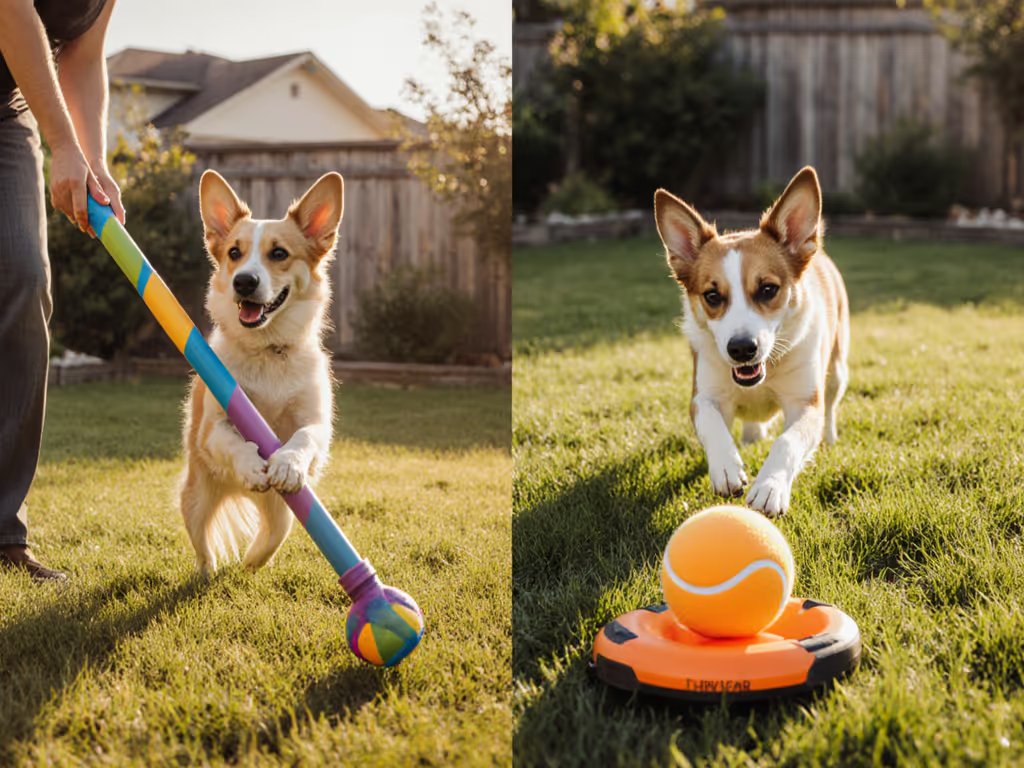
A controlled chaos approach works wonders here (build steady 15-minute indoor sessions before introducing complexity). I use Rudy's food ration for scent work between strength sets, stretching our 100 sq ft space into a full-body workout.
Advancing difficulty while ignoring canine strength development fundamentals. That "puppy-approved" weight vest causing hip sway? That's compensation, not progress. Before adding resistance:
If baseline stability fails, scaling equipment becomes joint sabotage. Real advancement starts with posture perfection, not weight addition.
Plain-language progress metrics:
My fridge calendar tracks cost-per-calm minute: total equipment cost ÷ cumulative calm minutes. The discount-bin tug Rudy chose? At $3.99 with 1,200+ calm minutes, it's still winning at $0.003 per calm minute. That $28 "indestructible" rope that snapped in week one? A $1.40/min failure.
Puppies (under 18 months):
Seniors (7+ years):
Reactive dogs: Scale emotional safety first. If your dog hyperventilates at the sight of a balance disc, progression starts with having it in another room, then visible but covered, then uncovered at 10 feet distance. These step-by-step desensitization training steps show how to introduce treadmills and other gear to fearful dogs safely.
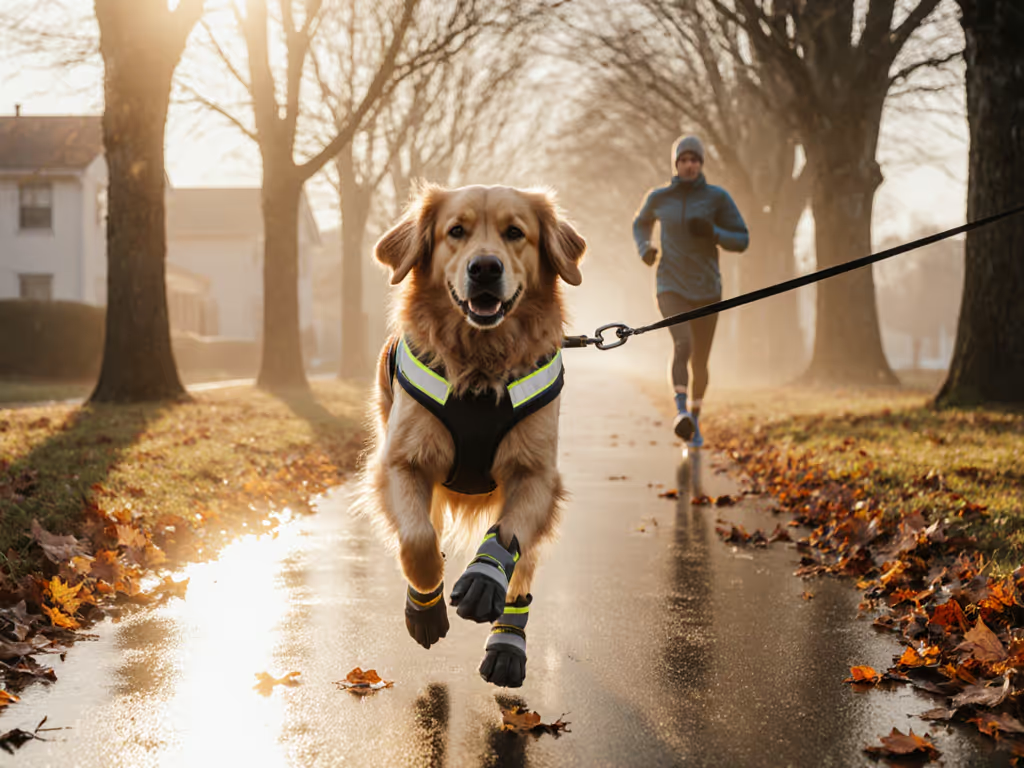
True canine fitness progression isn't measured in Instagram reels of your dog conquering obstacle courses. It's the quiet confidence when your dog navigates winter sidewalks without slipping, or settles instantly after a 20-minute session that fits your schedule. My discount-bin workhorses taught me that equipment progression paths matter less than consistent, intelligent advancement within your dog's actual capabilities.
Before spending on "next-level" gear, audit your current routine using the 8% rule. Can you extend duration by 8%? Improve form precision by 8%? That's real advancement, with no new purchases required.
Want the exact progression protocols I use for multi-dog households with space constraints? I've compiled breed-specific scaling templates covering everything from Chihuahua core work to Great Dane strength development, free for readers who want to stretch the budget, not the dog's joints.