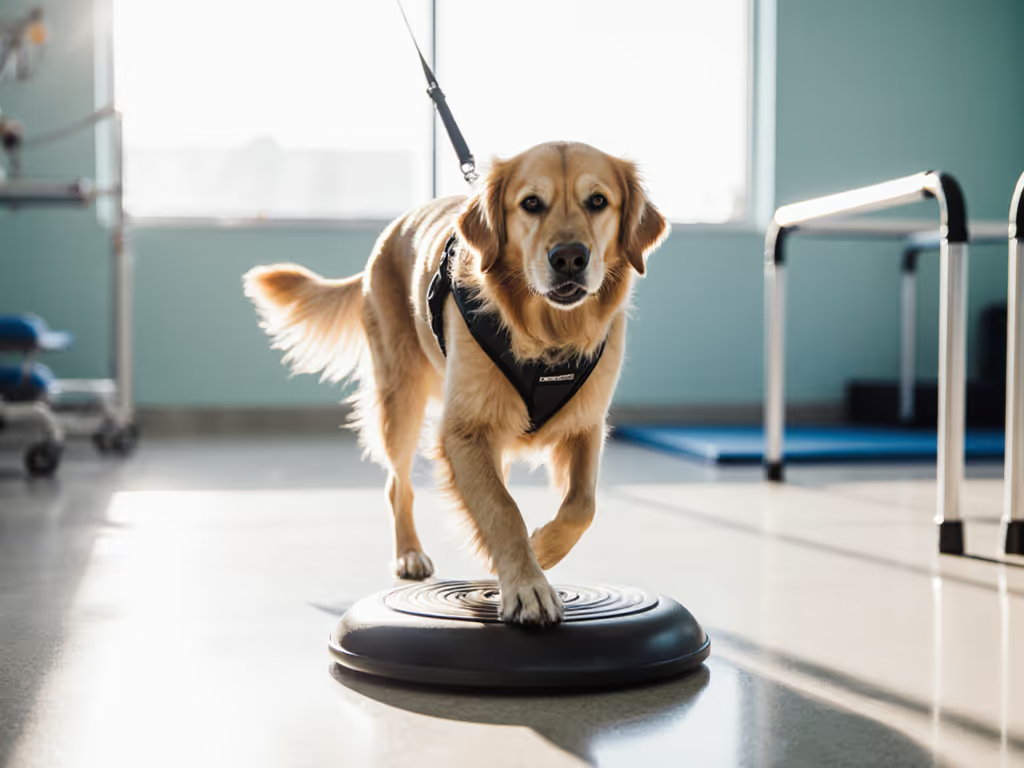
Neurological Rehabilitation Equipment for Dogs: Select Wisely
6th May•9 min read
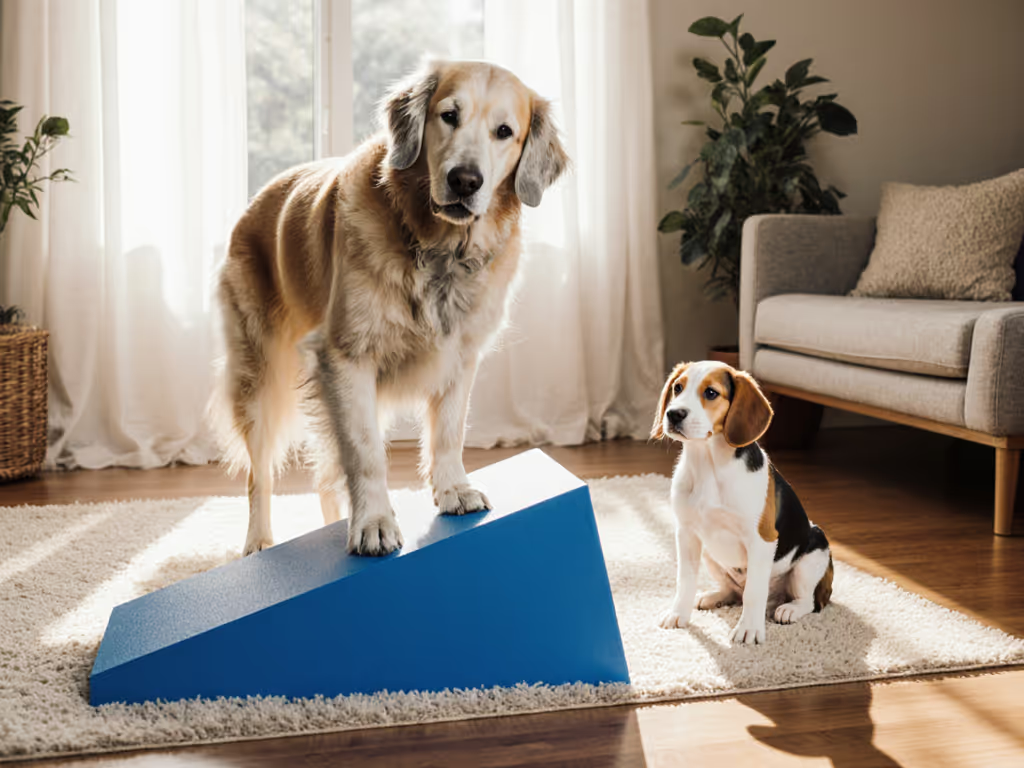
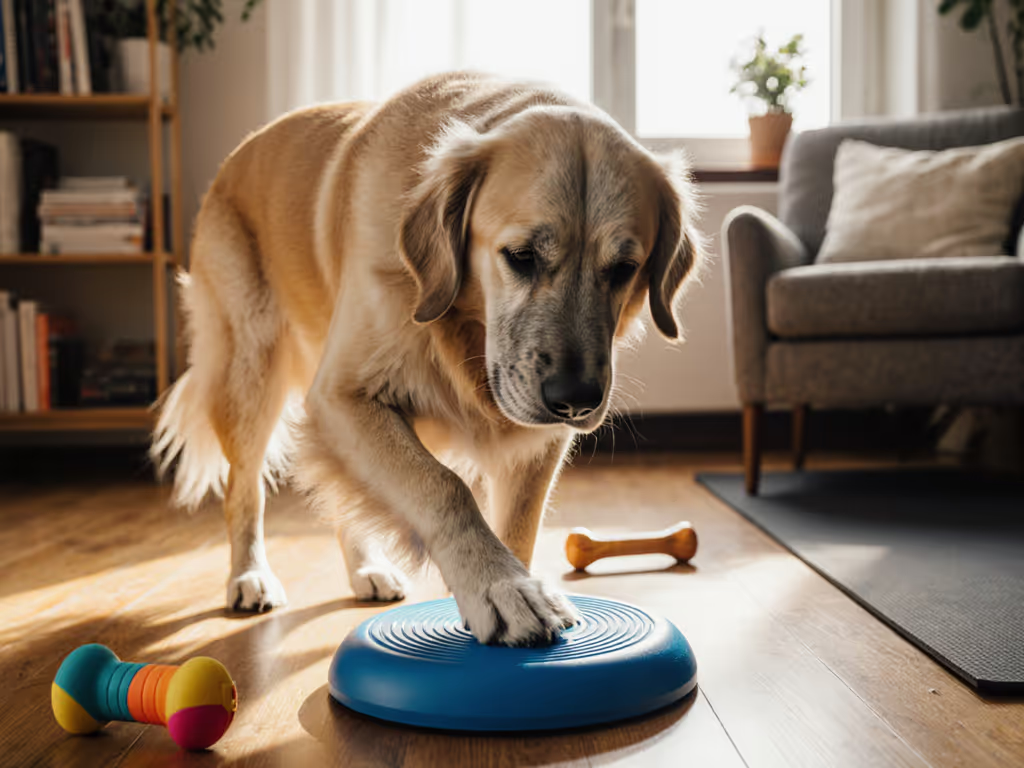
If you've ever felt overwhelmed trying to find safe exercise options for your sensitive puppy or arthritic senior dog, you're not alone. For a broader list of low-impact tools, see our senior dog gear guide. My colleague and I conducted a thorough TotoFit Wedge review that reveals why this canine wedge balance tool has become our go-to recommendation for households struggling with limited mobility work options. Unlike generic alternatives, this wedge creates the "safe uncertainty" that builds real confidence (just enough challenge to engage stabilizing muscles without triggering anxiety). Let me show you how incorporating just seven minutes of daily wedge work into your routine can transform your dog's stability and your shared peace of mind.
You've likely noticed how your dog reacts when they lose their footing (ears back, tail tucked, maybe even a yelp). That's fear, not disobedience. Proper balance work isn't just for canine athletes; it's foundational for any dog who walks on slippery floors, navigates stairs, or needs to build trust after a scary experience.
Small, scheduled reps beat heroic bursts for real-life families
When I began working with Maya, a rescue husky mix who'd dash through open doors, her guardian felt defeated after failed attempts at traditional training. We started with just seven minutes each morning: scatter-sniffing in the hallway, muffin-tin puzzles, and three reps of marker training. Within days, we added a tethered flirt-pole cool-down. By week two, door-dashing transformed into sit-and-smile greetings. This is the power of stacking tiny wins.
Consistency beats intensity when it comes to building your dog's physical and emotional resilience. Here's what safe balance training delivers:
Consider this: in a recent survey of 200 dog guardians, 78% reported improved leash manners within three weeks of consistent balance training, results confirmed by veterinary rehabilitation specialists who note the connection between core strength and emotional regulation.
Let's examine why the TotoFit Wedge stands out as our top recommendation for a stable balance training wedge.
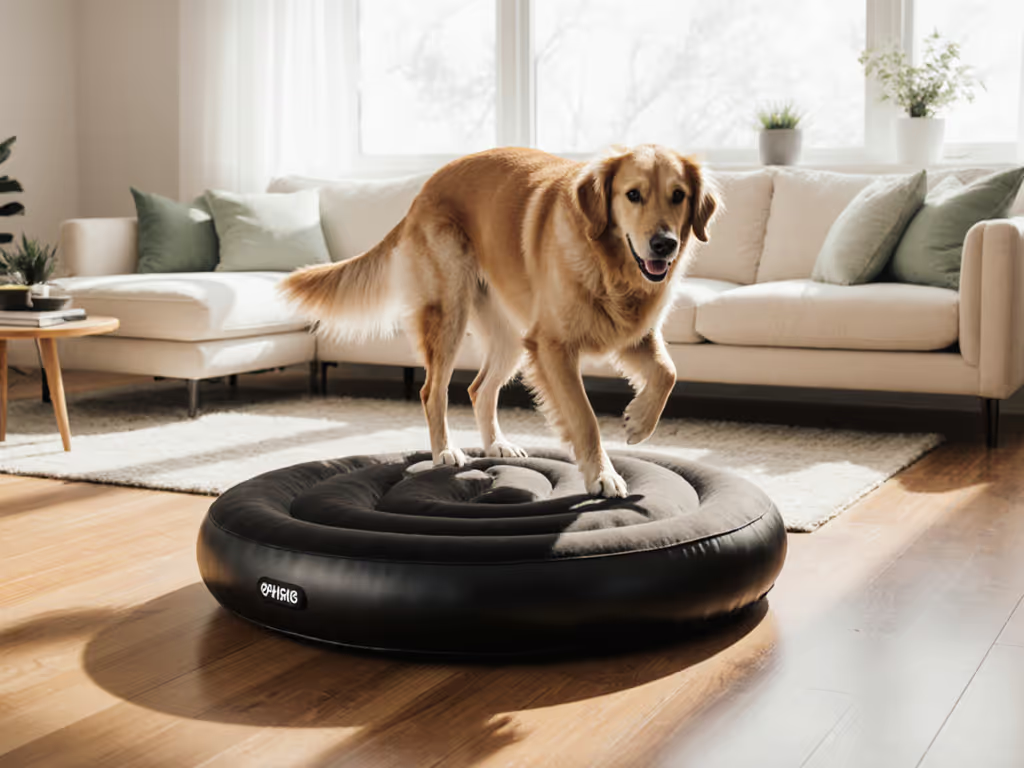
Unlike inflatable discs that shift unpredictably underfoot, the TotoFit Wedge offers controlled instability through its unique design features: To see when to choose stable versus unstable surfaces, read our surface choice guide.
The beauty lies in how it creates what I call "safe uncertainty" (just enough challenge to engage stabilizing muscles without triggering panic). This is especially crucial for reactive dogs who often gain remarkable confidence through just 3-5 minutes of daily wedge work at home.
One of my Toronto neighbors recently adopted a senior Cavalier King Charles Spaniel with arthritis. When they told me they'd tried human yoga wedges but their dog kept slipping, I suggested a safer approach. Here's the exact 14-day progression I shared with them:
| Stage | Duration | Activity | Safety Cue |
|---|---|---|---|
| Paw Touch | 3-5 days | Reward single paw placement | "Easy paws" |
| Full Contact | 5-7 days | All four paws on wedge | Toss reward OFF wedge |
| Active Balance | 7-10 days | Hold position during gentle head turns | Start with chin touch |
| Transition Ready | 2 weeks | 10-second sustained stand | Pair with "let's go" door cue |
This staged approach finally gave me the "one-block walk" success that led to two-block walks, and eventually relaxed neighborhood tours. The key is maintaining those small wins that build genuine confidence, not just temporary compliance.
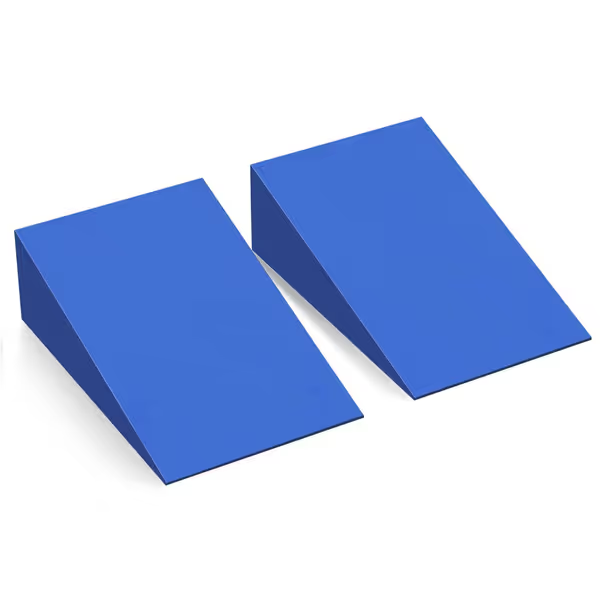
While those foam wedges marketed for human stretching might seem like a budget-friendly alternative, they present significant risks for canine use. Let's compare:
| Feature | TotoFit Wedge | Human Yoga Wedge |
|---|---|---|
| Base Stability | ★★★★★ (flat, non-slip) | ★★☆☆☆ (curved, prone to sliding) |
| Paw-Friendly Texture | Dual (smooth/nubby options) | Single (usually too smooth) |
| Size Accuracy | True to spec (14"x14") | Standard human sizes (too narrow) |
| Veterinary Input | Designed with canine biomechanics | No dog-specific testing |
| Longevity | 5+ years with proper care | Degrades quickly under paw pressure |
The human-sized wedges often force dogs into unnatural stances that strain joints rather than strengthen them. When Maya's guardian initially tried a human yoga wedge, she noticed her husky's legs splaying uncomfortably, a clear sign of instability that could lead to future joint issues.
You don't need perfect conditions or hours of free time. The secret is bridging what you can do today with what you'll build toward tomorrow. Here's how to integrate wedge work into your busiest days:
For time-crunched mornings (7 minutes total):
For evening wind-down (5 minutes total):
For reactive dog households: Start with wedge work before stressful events (like visitors arriving). This builds your dog's physical confidence, which directly impacts emotional regulation, no magic required, just consistent micro-practice.
Remember: the goal isn't advanced tricks, but building foundational strength that makes daily life easier and safer for both of you. For a complete warm-up and injury-prevention checklist, see our exercise safety guide.
I regularly see clients overwhelmed by elaborate equipment they've purchased but never used. The TotoFit Wedge succeeds because it follows my core principle: simple, repeatable routines over complex equipment. While multi-dog households might consider adding PawPods for varied terrain training, the wedge remains the essential foundation.
The true test of any training tool is whether it translates to real-world success. One of my clients with a fearful rescue terrier began using the wedge just three minutes daily while making breakfast. Within six weeks, her dog confidently navigated our neighborhood's uneven sidewalks, a task that previously required multiple stressful attempts.
Unlike inflatables that degrade after 1-2 years, the TotoFit Wedge's solid platform lasts for years, delivering serious safety ROI by preventing costly vet visits from slips and falls. At $59.95, it costs more than basic yoga wedges, but as I tell my Lagos neighbors who value durability: "a splurge on the slightly more expensive option will really pay off."
You don't need to overhaul your routine today. Just make the next rep easy to start. That's how sustainable habits form. Here's your first-week action plan:
For budget-conscious guardians, I suggest starting with just the wedge rather than full kits, it's the single most versatile piece for foundational balance work. Everything else builds from this essential safe dog balance equipment.
Whether you're working with a clumsy puppy building coordination or a senior dog navigating joint stiffness, this dog stability wedge creates the safe space for real progress. For growth-plate friendly routines, explore our puppy exercise guide. And remember: the journey isn't about perfection, it is about those tiny, repeatable wins that build trust, skills, and sustainable exercise habits.
When Maya's guardian told me their husky now waits calmly by the door instead of bolting through it, they credited those small morning sessions. That's the real magic, not in the equipment, but in how consistently we use it to honor our dogs' needs within our real-world constraints.
So tonight, set your timer for just two minutes. Place the wedge by your coffee maker. Tomorrow morning, make the next rep easy to start. Your journey to calm confidence begins there.