
DIY Balance Equipment vs Professional: True Value
24th Apr•10 min read
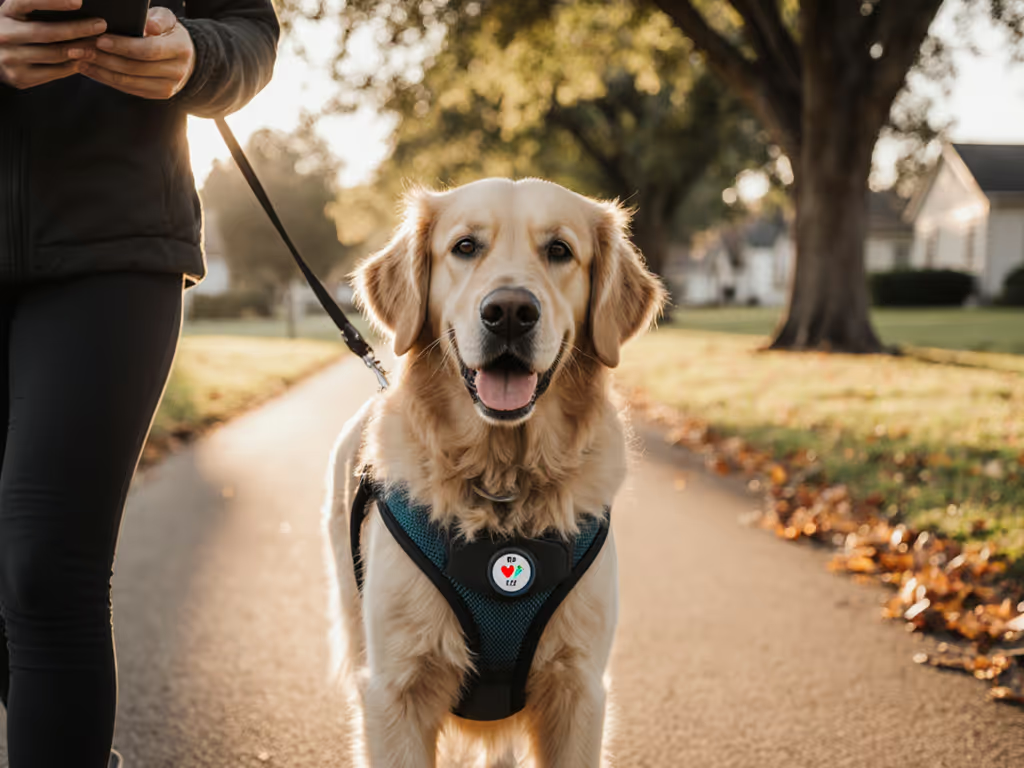
When your dog faces cardiac concerns, choosing the right dog exercise equipment becomes less about intensity and more about intelligent movement. Heart-healthy dog fitness isn't just about keeping the ticker strong; it is about creating sustainable routines that honor your dog's physical limits while building confidence in every step. As a biomechanics specialist focused on joint preservation, I've seen how small, precise choices in equipment and movement patterns transform cardiac care from a limitation into an opportunity for deeper connection.
Canine hearts work differently than ours: they compensate longer before showing symptoms, making subtle exercise safety guidance essential. Recent veterinary studies confirm that tailored movement improves circulation without overtaxing the cardiovascular system, directly supporting your dog's quality of life. The American College of Veterinary Internal Medicine now emphasizes that structured, low-intensity movement actually supports cardiac function when properly calibrated to your dog's specific condition.
Comfort is a training aid; when your dog feels secure in their movements, they engage more fully without hidden stress that strains their heart.
This isn't about eliminating exercise; it's about redirecting energy into heart-safe patterns that build endurance without risk. For dogs with cardiac concerns, how they move matters as much as how much.
Before introducing any safe exercise for dogs with heart disease, collaborate with your veterinarian to establish personalized boundaries. Key parameters include:
Remember: Dogs with heart conditions can't cool themselves efficiently through panting alone. I always recommend keeping a damp towel nearby during sessions (simply draping it over their shoulders helps regulate temperature without interrupting the gentle rhythm of movement). For hot-weather adjustments that protect cardiac dogs, see our heat-adapted exercise gear guide.
Not all "low-impact" gear delivers cardiac-safe movement. When selecting dog heart condition equipment, look for these evidence-based features:
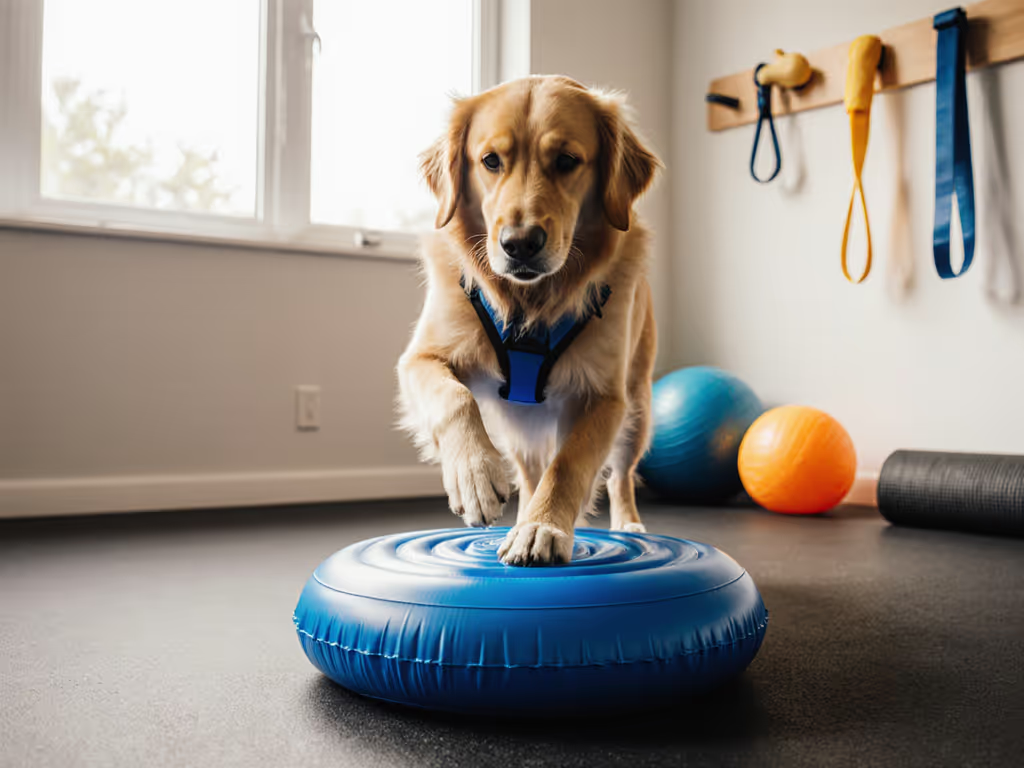
When we measured paw placement during balance work with a foster dog recovering from soft-tissue strain, we saw how two-minute sessions on stable platforms reduced unnecessary cardiac spikes compared to traditional floor exercises. Small, precise choices turned movement from a risk into reliable cardiac support.
Traditional fetch or treadmill work often creates dangerous cardiac spikes for dogs with heart concerns. Instead, try these low-intensity cardiac training adaptations:
Knowing when to stop is as important as knowing what to do. End sessions immediately if you observe:
Keep a simple log noting resting heart rate (count pulses for 15 seconds at inner thigh), session duration, and recovery time. If you prefer automated tracking, consider a smart exercise collar to monitor activity and recovery metrics. This data helps your vet adjust both exercise parameters and medication as needed (something I learned the hard way when my foster dog's zoomies returned five weeks post-injury but her recovery metrics still needed fine-tuning).
The most effective cardiac dog workout systems integrate seamlessly into already-busy lives. Try this progression ladder that accommodates time constraints while respecting cardiac limits:
Remember these caution-first disclaimers:
Start tomorrow with a fit check before any movement:
This simple 4-minute protocol provides immediate data points while keeping demands within cardiac-safe parameters. Protect the joints today to unlock fuller movement tomorrow: the foundation of true heart-healthy dog fitness begins not with equipment, but with mindful attention to how your dog moves through space. Each precise step builds capacity, turning cardiac concerns from limitation into opportunity for deeper connection through movement.