DIY Balance Equipment vs Professional: True Value
24th Apr•10 min read
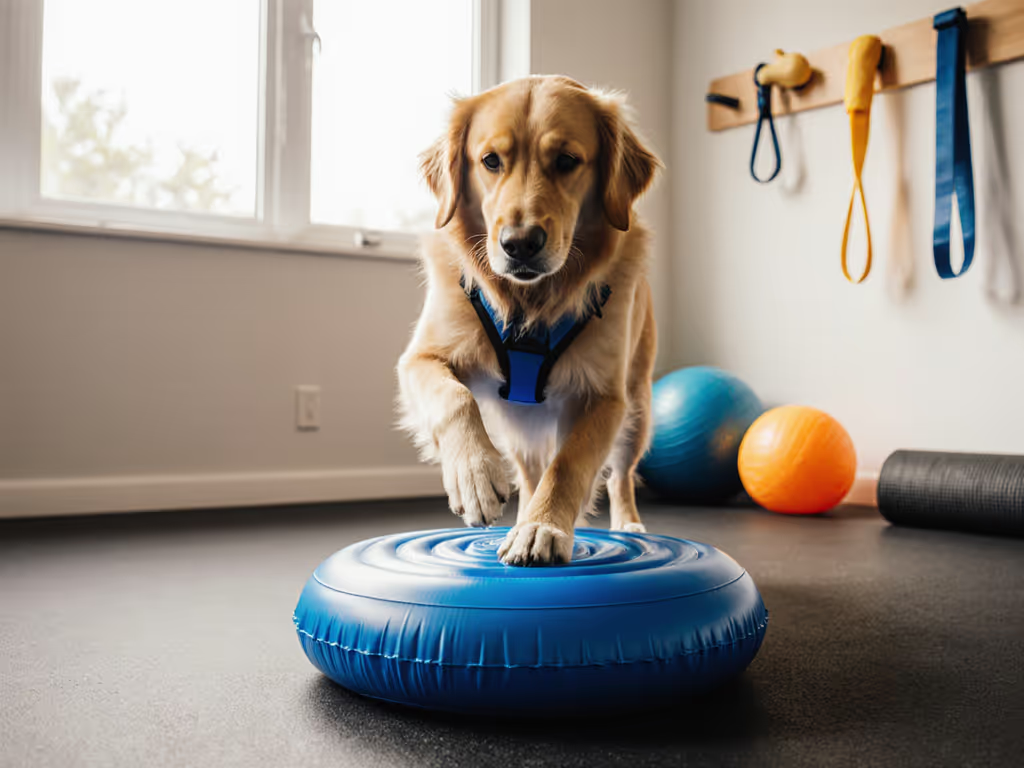
A growing number of pet owners are turning to inflatable dog fitness equipment and safe dog balance inflatables to manage energy, build strength, and create predictable indoor routines (especially when space, weather, or time make traditional exercise unpredictable). But before you click "add to cart," the gap between a smart investment and a punctured frustration often comes down to one word: safety. This guide walks you through the most common questions owners face when choosing, using, and maintaining inflatable gear, grounded in what the equipment makers themselves recommend and what real-world testing reveals. For broader safety fundamentals and warm-up routines, see our dog exercise safety guide.
Inflatable dog fitness equipment (also called dog air platform safety tools or balance inflatables) are portable, pump-operated surfaces designed to engage your dog's core, proprioception (body awareness), and stabilizer muscles during controlled movement. The appeal is straightforward: they're compact (foldable, not a permanent fixture), quiet (crucial for apartments), and usable on rainy, scorching, or icy days when outdoor exercise isn't viable.
For owners juggling work schedules, limited outdoor space, or dogs who spike arousal at dog parks, these tools offer a measurable, repeatable ritual. You're not just tiring your dog; you're building confidence and body awareness in a low-distraction environment. That matters because true calm emerges not just from fatigue, but from predictable, successful repetitions, the kind that fit into 10-20 minute blocks and don't leave your dog amped or frustrated.
Size and weight limits are non-negotiable. Most inflatable platforms carry a maximum weight capacity; exceeding it risks material failure, which means injury risk for your dog, and a ruined investment. Before purchase, confirm your dog's current weight plus growth projections if you have a puppy. As a general rule, buy once, use often equipment should outlast the dog's growth phase, not become obsolete in six months.
Age and developmental stage matter deeply. Puppies have open growth plates; hard impacts or repetitive stress on unstable surfaces can cause lasting joint damage. Older dogs may have arthritis or mobility issues that make balance work inadvisable without veterinary clearance. A fitness professional or your veterinarian can advise whether balance work is appropriate for your dog's specific life stage. The same goes for dogs recovering from surgery or dealing with chronic injuries; inflatable equipment may help or may aggravate, depending on the condition.
Nail maintenance is non-negotiable. This appears in manufacturer guidelines repeatedly for good reason: a dog's sharp nail, combined with the force of jumping or landing, can puncture an inflatable in seconds. Trim nails closely before every session. It sounds basic, but it's the most common overlooked step between "I bought quality gear" and "it arrived flat, and now I'm replacing it."
Inspect the surface itself. Before your dog steps on it, look for punctures, cuts, gouges, worn spots, or weak areas. A small hole now becomes a blowout during a session. Store the equipment in a clean, dry place free from sharp objects, rodents, or UV exposure that might degrade the material over time.
Assess your floor. Inflatable equipment works best on non-slip surfaces. Hardwood or tile floors are slippery. Your dog can't achieve proper body alignment, and the equipment may shift during use. A yoga mat or grip-backed rug underneath creates stable footing and prevents your dog from splaying or straining to maintain position. This simple setup change transforms safety and effectiveness.
Check your own environment. Use the equipment in open space, away from furniture, walls, or objects that could puncture it or cause injury if your dog dismounts awkwardly. Distractions (kids, other pets, windows) should be minimized so your dog's balance isn't interrupted mid-exercise.
Verify inflation. Never over-inflate. Follow the manufacturer's maximum diameter guidelines precisely. Over-inflation stresses the seams and material, shortening the equipment's lifespan and increasing rupture risk during use.
This is where the "buy once, use often" philosophy really pays off: a well-chosen piece of equipment should accommodate slow, methodical progression without requiring an upgrade.
Start low and build. Aim for 3-5 repetitions per exercise when beginning, focusing on proper body alignment: back and neck neutral, front and hind limbs bearing weight safely, no over-extension. Watch your dog, not your phone. If your dog shows fatigue, loss of confidence, or awkward movement, stop immediately.
Progress symmetrically. Perform an equal number of repetitions on both sides of the body to prevent muscular imbalance and compensatory strain. This is especially important for dogs with prior injuries.
Avoid over-exercising. This is the hardest boundary for owners of high-energy dogs. Your goal isn't to exhaust your dog; it's to build strength and focus in controlled increments. Over-exercise leads to fatigue-related slips, irritability post-session, and burnout on the activity itself. A calm, satisfied dog beats a panting, overstimulated one every single time.
Use a safety harness during balance work. It gives you a gentle point of contact to guide dismounts and prevent awkward jumps that could injure joints or puncture the equipment. To choose a supportive, movement-friendly option, check our active dog harness comparison. It's a small add-on cost with outsized safety returns.
The hard truth: punctured inflatable equipment should not be patched or repaired. You cannot reliably seal a pinhole in a load-bearing surface. A temporary patch fails mid-session, and now your dog is at risk of a sudden collapse or awkward landing. Accept this upfront: durability and prevention (trim nails, use grip surfaces, inspect regularly) are cheaper than frequent replacement.
Store intelligently. When not in use, keep inflatable equipment in a cool, dry place away from direct sunlight, sharp objects, and rodents. For a full maintenance checklist and storage tips that extend lifespan, read our equipment care guide. For apartments and small homes, this storage footprint matters. Are you comfortable keeping it under a bed, in a closet, or behind a door? If storage is a dealbreaker, you'll abandon it, and real value evaporates regardless of purchase price.
Track usage and condition. A simple rotation calendar (yes, like the one on your refrigerator) helps you notice wear patterns and catch age-related degradation before failure. If you have multiple dogs, this also balances wear across equipment and prevents any single dog from monopolizing gear.
Discontinue immediately if your dog shows signs of injury, pain, or unusual fatigue. Consult your veterinarian before resuming. Don't assume "they just need a day off." Injury in dogs is often silent until it's severe.
Reassess seasonally and with age. An inflatable tool that worked for your 3-year-old Labrador might not suit your 9-year-old version with mild arthritis. Conversely, puppies graduate out of certain equipment once they reach skeletal maturity. Regular vet check-ins ensure your routine stays safe.
Monitor behavioral signals. If your dog shows anxiety, reluctance, or avoidance of the equipment, investigate why. It's not always fear, sometimes it's pain, confusion, or overstimulation. Adjust or discontinue, rather than pushing through resistance. If your dog resists new equipment, follow our desensitization training steps to build confidence safely.
Inflatable dog fitness equipment can be a lasting, quiet, space-efficient tool for building calm and strength, but only if you treat safety as foundational, not optional. Start by clarifying your dog's weight, age, and any health considerations with your vet. Invest in a proper floor surface (grip mat), commit to nail maintenance, and expect progressive, modest workloads rather than dramatic results. Track what works, rotate gear wisely, and accept that prevention beats repair every time.
If you're ready to explore specific equipment options aligned with your space and budget, look for products backed by clear manufacturer guidelines, video tutorials, and responsive customer support. The best investment is the one you'll actually use (the one that fits your life so seamlessly that, six months in, your dog is choosing that same sturdy tool daily, your wallet thanks you for durability, and your home is finally calm).