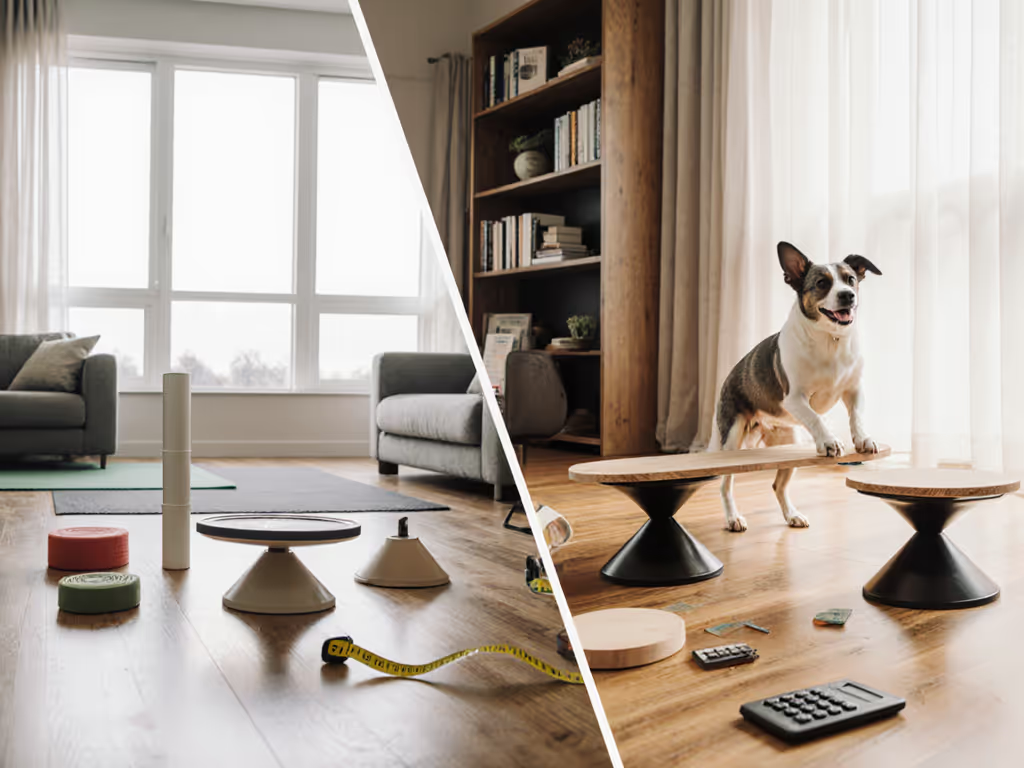
DIY Balance Equipment vs Professional: True Value
24th Apr•10 min read
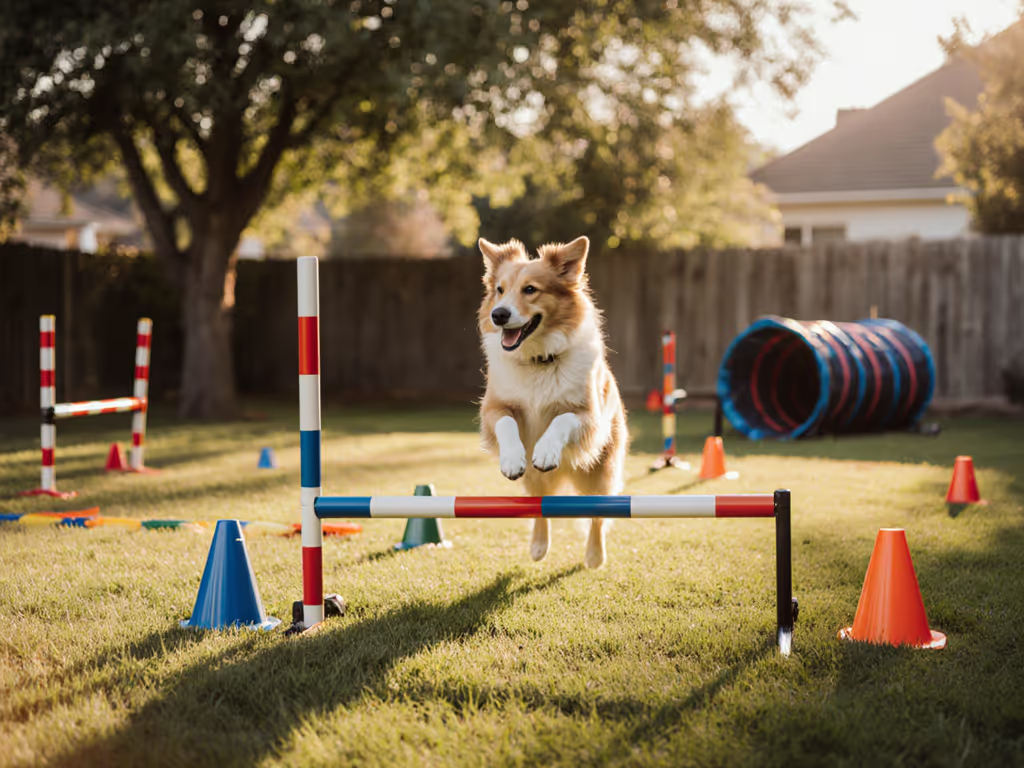
Canine fitness plan development isn't about buying the fanciest toys or trendy gear; it's about creating a system where dog exercise equipment works together in predictable sequences to condition your dog safely over months, not just tire them out today. The best personalized dog fitness programs combine multiple tools strategically, adapted to your dog's age, structure, energy profile, and the real constraints of your life: your space, time, and weather.
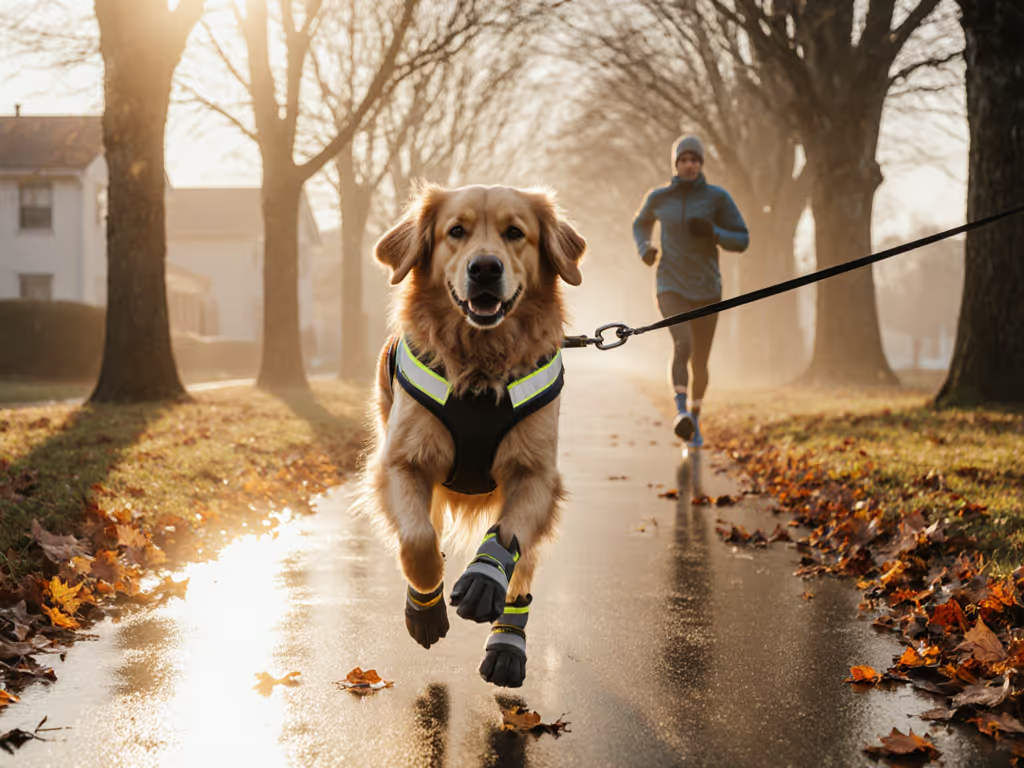
When I tracked six harnesses through slush, salt spray, and a Hanoi summer, the ones that earned rotation weren't the prettiest. They were the ones that dried fast, didn't off-gas in the closet, and held their fit after months of hard use. The rest stretched, corroded, or reeked. That taught me a hard lesson: weather tests gear; your dog tests comfort; time tests value. So let's build a fitness approach that survives the test. If you're weighing cost versus longevity, see our budget vs premium guide for durability and value benchmarks.
A single toy or tool rarely solves the problem. A dog with high prey drive needs both explosive outlet (like controlled tug or fetch) and sustained aerobic work (loose-lead walking or swimming) to genuinely settle. A nervous dog benefits from ground-work foundation (balance platforms, low obstacles) before adding speed or complexity. If your dog hesitates around new tools like treadmills or platforms, follow our step-by-step desensitization guide to build confident engagement. Without progression and variety, dogs plateau, lose engagement, or worse, develop compensatory movement patterns that court injury.
According to research from the Penn Vet Working Dog Center, comprehensive fitness assessment and development focusing on strength, stability, mobility, and proprioception creates measurably better outcomes for working and sport dogs[5]. That principle applies equally to household dogs. The goal is balanced conditioning (not just muscle, but body awareness, core resilience, and safe movement mechanics across multiple planes).
Before buying or combining equipment, establish what your dog actually needs. This step separates wishful thinking from workable plans.
Evaluate structure and movement
Inventory real constraints
Assess energy and temperament
These facts determine which pieces of equipment serve you, which don't, and in what order they appear in your program.
Think in layers, not isolated tools.
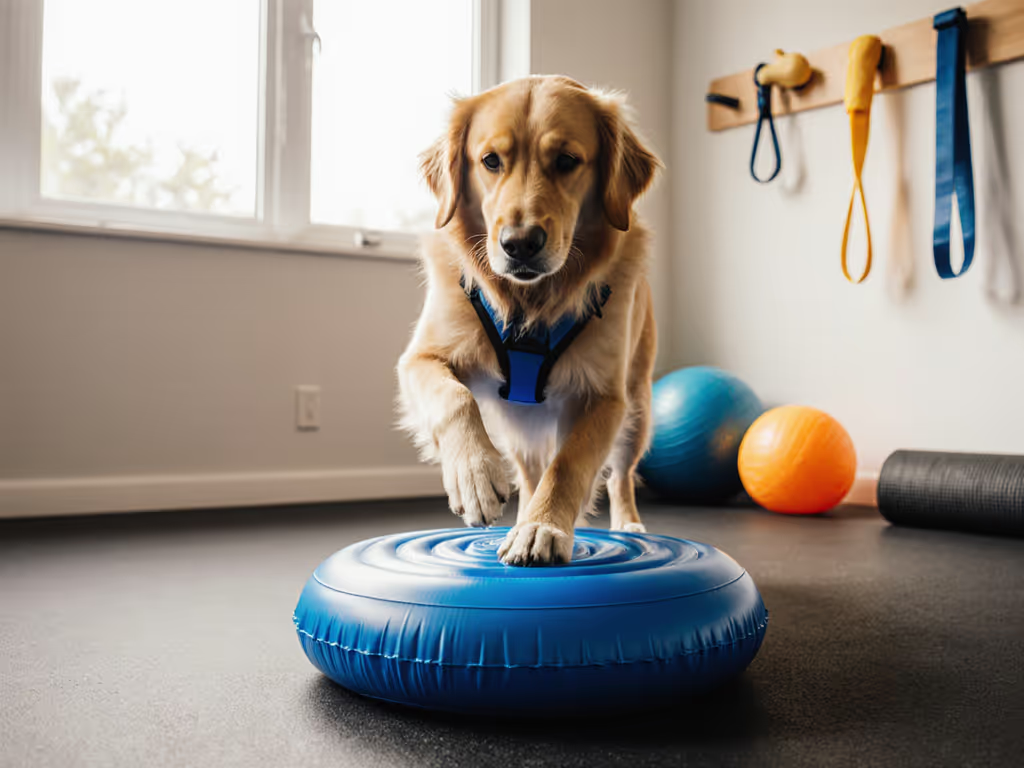
Start here, especially for puppies, seniors, or dogs with poor body awareness. This layer builds the nervous system and stabilizing muscles that prevent failure-mode injuries later. For a deeper dive into when and how to use stable vs unstable surfaces, see our unstable equipment guide.
Maintenance note: These tools (poles, boards, scatter mats) need simple storage and dry, level surfaces. A cavaletti set lives in a closet or garage corner; wobble boards take minimal space. Check hardware seasonally if stored outdoors; coatings matter here. Metal hardware should be stainless or powder-coated, not raw steel that corrodes in humidity.
Once the dog moves with awareness, layer in targeted work.
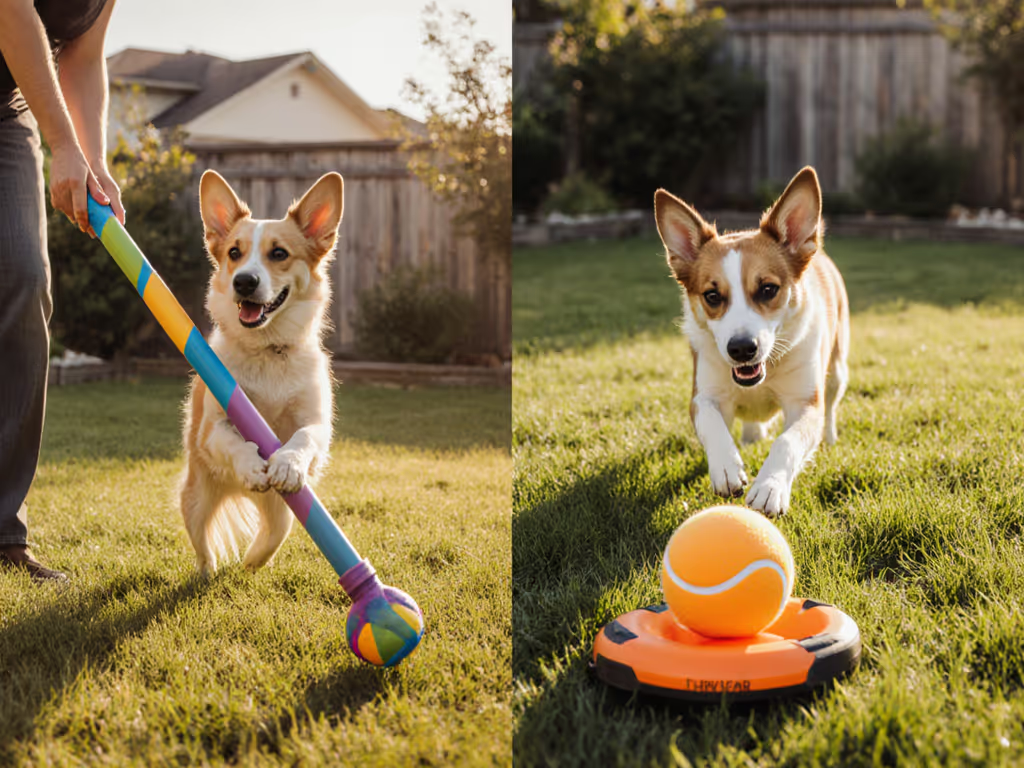
Equipment considerations: Fit and tolerance ranges matter enormously. A harness that shifts or bunches during work creates compensatory tension. Tug toys need appropriate softness; rubber compounds should be non-toxic and resist shredding. Check materials and coatings details on any item your dog will mouth or wear repeatedly.
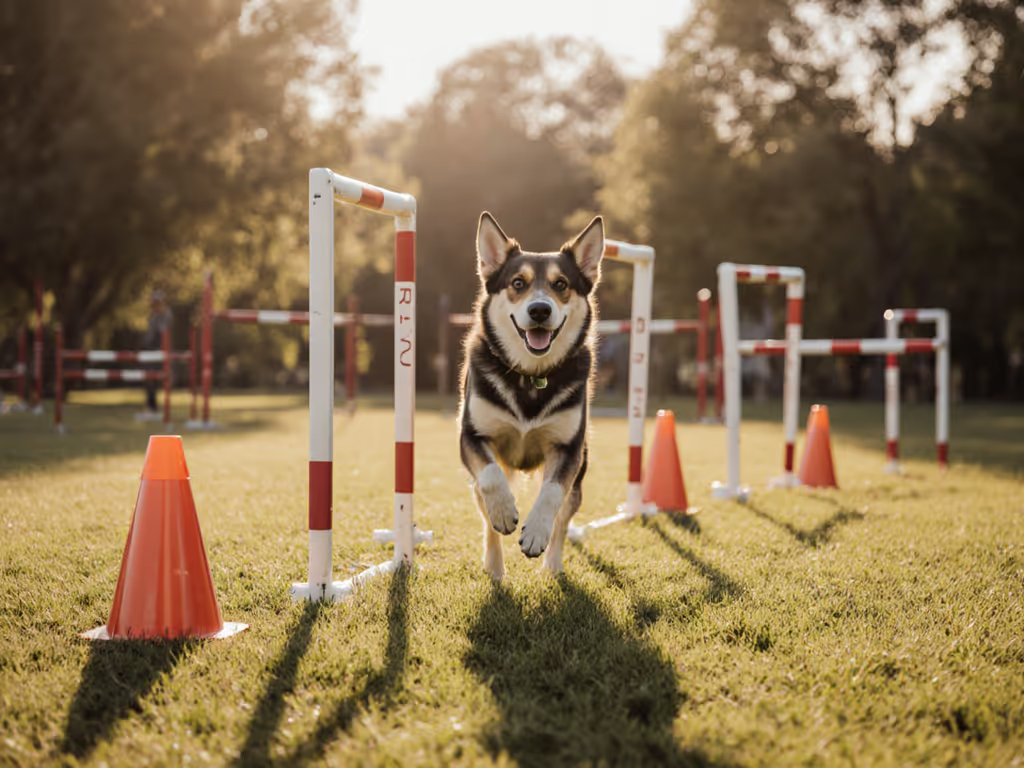
For dogs training in agility, dock diving, tracking, or other sports, layer-specific tools:
The Certified Canine Strength and Conditioning Coach (CSCC) program at North Carolina State University emphasizes choosing correct exercises for specific dogs and understanding repetitions, sets, and exercise variables[1]. That rigor applies here: a herding dog and a giant breed don't use the same volume or intensity.
This is where most multi-equipment plans fail. Gear piled in a corner gathers dust, molds, off-gasses, or degrades faster than used items. For a full upkeep checklist that extends gear life and safety, bookmark our exercise equipment care guide.
Establish a maintenance schedule
Storage fit and tolerance
Buy once, use often: When you choose durable, non-toxic materials and store thoughtfully, a quality piece serves your dog and the next foster or family dog for years. Cheap gear that frays, stretches, or stinks after a season costs more overall and creates disposal headaches.
Here's how layered equipment might look in practice, adapted for a 40-pound active mixed breed in an apartment with some outdoor access:
Monday & Thursday: Foundation + steady intensity 10 min loose-lead walk on varied ground -> 5 min ground sniffing/scattering -> 3 min sit-to-stand or bow work -> 5 min cool-down walk.
Tuesday & Friday: Controlled intensity 5 min warm-up easy walk -> 3-4 short tug intervals (30 sec work, 60 sec rest) -> 10 min sustained-pace leash walk -> 5 min cool-down and shake-off.
Wednesday: Mental focus + light movement Nosework boxes, scattering, or puzzle toys; 20 min slow neighborhood walk.
Weekend: Longer outing or specialist work If weather allows: 30-40 min on-lead hiking or park walk combining terrain and mild distance. If weather prevents: 15 min cavaletti work + 10 min indoor play + scent enrichment.
This plan rotates equipment combination strategies, prevents overuse of any single tool, and balances physical and mental demand.
The difference between a dog that thrives on an integrated dog conditioning plan and one that blows out a ligament is often 4-6 weeks of proper foundation and honest progression.
If you're uncertain whether your dog's structure or medical history permits certain equipment or intensity, consult your vet or a certified canine fitness professional (programs like the University of Tennessee's CCFT or NC State's CSCC credential trainers)[1][7]. Injury prevention is cheaper and kinder than rehabilitation. For a complete primer on pacing, warm-ups, and progression, read our dog exercise safety guide before advancing volume or intensity.
Building a sustainable canine workout programming routine means starting small, testing what your dog and household can sustain, and expanding only when both feel stable. A plan isn't rigid; it bends with seasons, ages, and changes in your life. The equipment you choose should earn its place through durability, appropriate materials, and actual use, not novelty or Instagram appeal.
Stagger your purchases. Buy one foundation tool, run it for a month, then add the next layer. This spreads cost, prevents clutter, and reveals which pieces actually fit into your routine versus which sit unused. Quality gear that ships today serves your dog next month and next year (if it's stored right, maintained, and paired thoughtfully with other tools).
When weather tests gear and your dog tests comfort and time tests value, the gear that survives is the one worth recommitting to. That's where true fitness (and confidence in your plan) lives.