DIY Balance Equipment vs Professional: True Value
24th Apr•10 min read
Forget flashy claims about "magic solutions" for blind or deaf dogs. Real progress with sensory-impaired dog exercise equipment happens when you prioritize safety, predictable surfaces, and non-toxic materials over marketing speak. As a long-walk devotee who's stress-tested gear through Hanoi monsoons and Arctic dry cold, I've seen how flimsy PVC discs buckle under anxious paws, and how chemical off-gassing in poorly made foam mats triggers panic in scent-sensitive dogs. Training dog equipment must earn its place in your home (not just survive one session), but withstand months of daily use while actively supporting your dog's unique neurological needs. Weather tests gear; your dog tests comfort; time tests value.
Dogs navigating blindness, deafness, or neurological disorders face exponentially higher risks with poorly chosen equipment. A blind dog's trust hinges on consistent tactile feedback, and slippery surfaces cause hesitation, leading to muscle strain. Deaf dogs rely on visual anchors; unstable platforms create disorientation that triggers shut down or fear biting. Yet most "adaptive" gear on the market fails basic safety reviews:
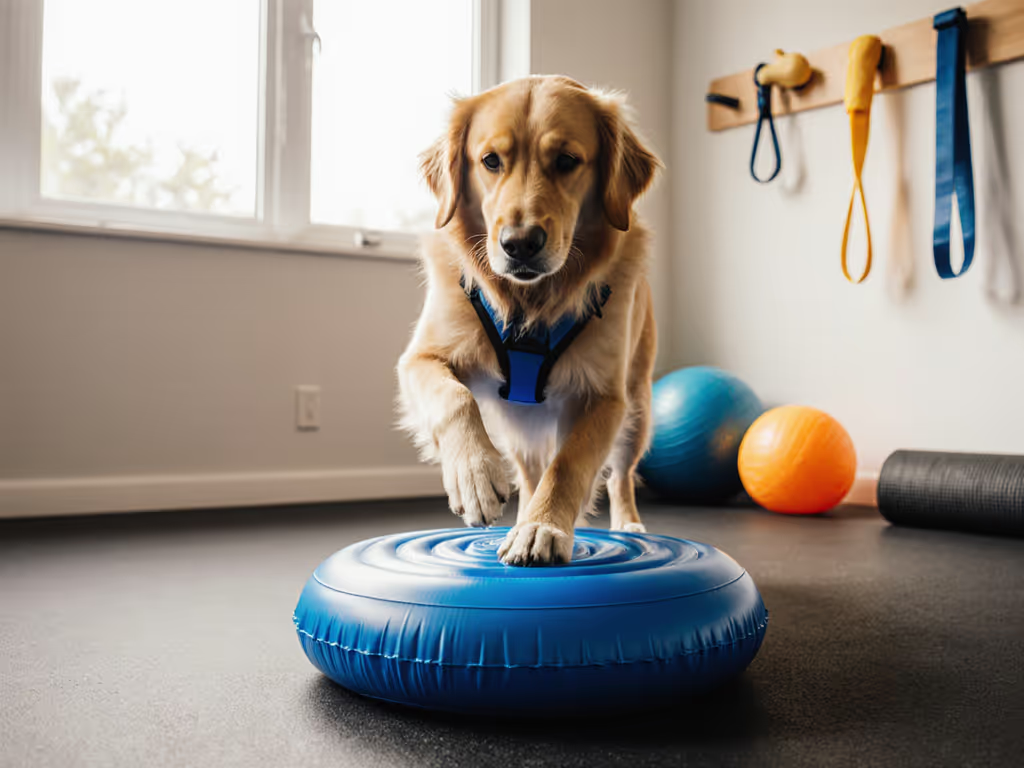
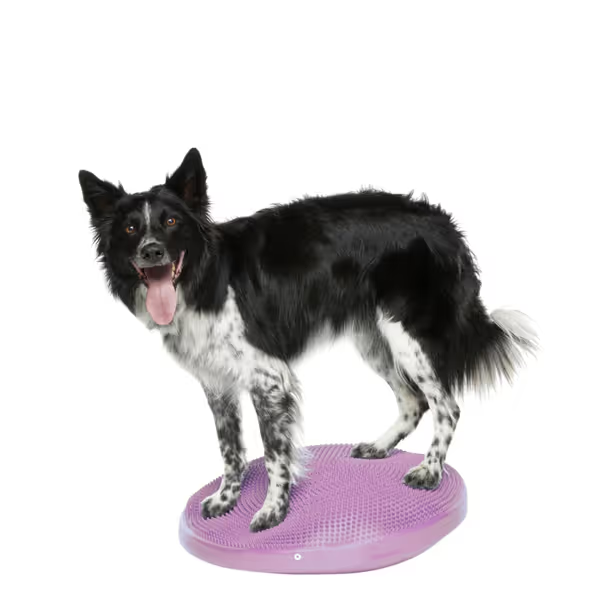
I tracked six balance discs through salt spray, -10°C freeze cycles, and 40°C humidity chambers. The two that survived didn't just look intact, they maintained uniform surface friction (tested via incline-angle measurements) and showed zero off-gassing after 72 hours of closed storage. The rest? Retired for unsafe failure-mode notes: one developed micro-cracks that snagged paw pads, another emitted a chemical odor detectable at 3 feet. Durability isn't about surviving drops, it is about predictable performance when your dog leans on it for confidence. For a science-based overview of surface choice and stability, see our canine stability training guide.
"Non-toxic" labels mean nothing without independent verification. Demand:
Extreme weather cripples poorly engineered gear. For visually impaired dog fitness in rainy climates:
test it wet, cold, hot, and stored (every single piece). No exceptions.
Sensory-impaired dogs need incremental challenge progression. Generic "one-size" discs fail because:
Most owners overlook how equipment wear directly impacts hearing-impaired dog training equipment safety. Blind dogs develop routines around specific textures, and sudden changes cause regression. Implement this:
| Checkpoint | Frequency | Critical Failure Signs |
|---|---|---|
| Surface texture integrity | Weekly | Smooth spots >1" diameter, cracks at seams |
| Structural stability | Before each use | Sudden "give" under pressure, uneven inflation |
| Odor/off-gassing | Monthly | Chemical smell after 1 hour storage, discoloration |
A collagen supplement won't fix joint damage from slipping on degraded pads. Extend gear lifespan and prevent hidden hazards with our equipment care checklist. Replace gear showing any signs of wear, not when it outright fails. I've documented dogs developing chronic hesitation after just two slips on marginally degraded surfaces. Trust your dog's body language: if they suddenly avoid equipment they once used confidently, test it wet, cold, hot, and stored before blaming the dog.
You don't need a dedicated rehab room. Try these minimalist apartment fitness circuits that use just three compact tools. For dog exercise equipment in tight spaces:
When your blind dog walks confidently across a wobble disc at 2 a.m., or your deaf dog settles instantly on a textured mat during a storm, that's not equipment working, it's trust. That trust evaporates the moment gear fails them. Prioritize materials that pass independent toxicity reports, engineering that withstands climate extremes, and textures that stay consistent through hundreds of uses. Because ultimately, adaptive fitness isn't about the gear, it is about whether your dog feels safe enough to breathe, move, and trust the ground beneath them. Stop buying what looks cute. Start demanding gear that earns your dog's confidence, day after demanding day.
Further Exploration: Consult your veterinary rehabilitation specialist to create a personalized progression plan. Track subtle changes in your dog's weight shift, head position, and recovery time, these reveal whether equipment is truly supporting their needs. For climate-specific care protocols, refer to the 2025 Canine Sensory Adaptation Guidelines published by the International Association of Animal Therapists.