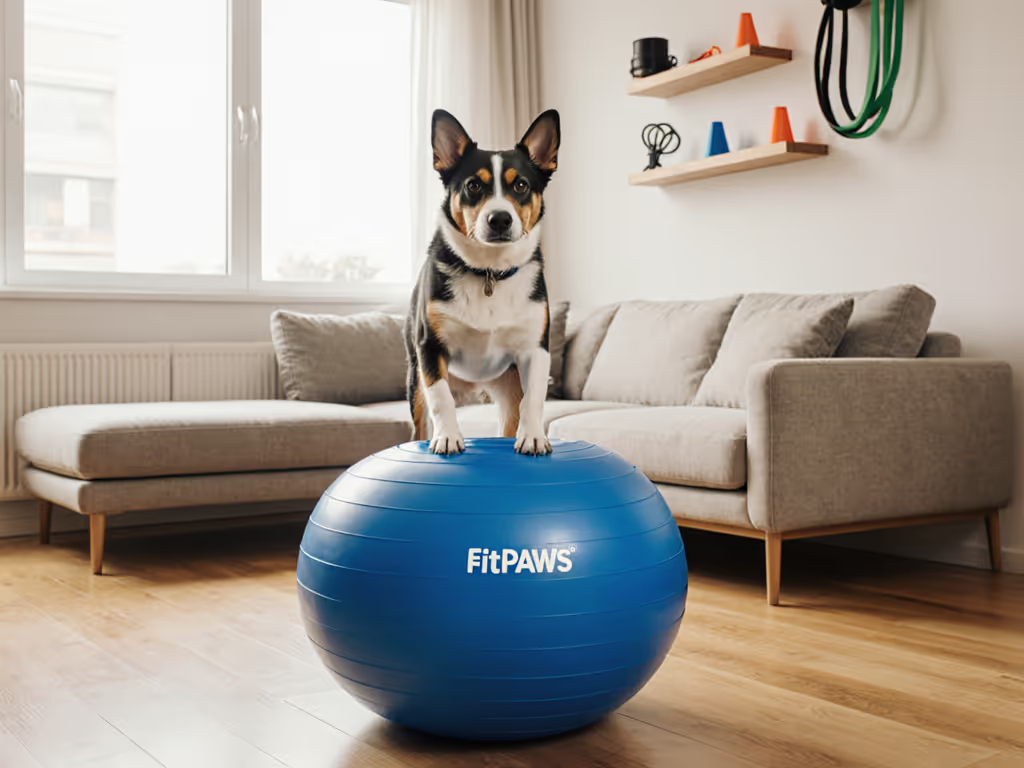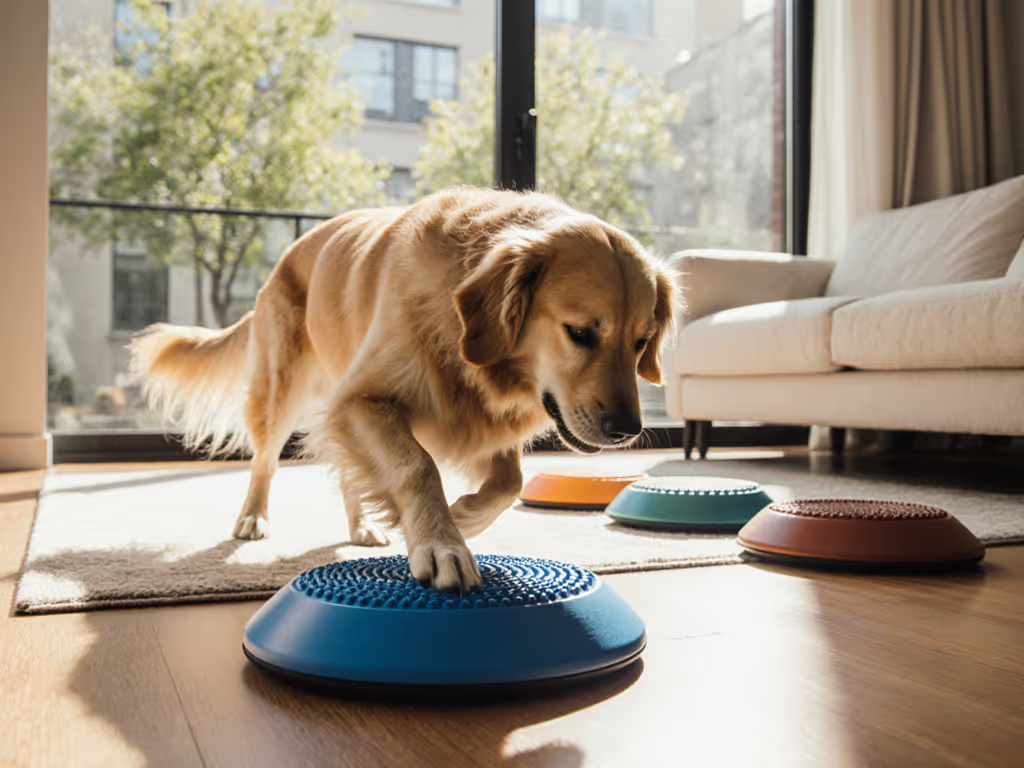
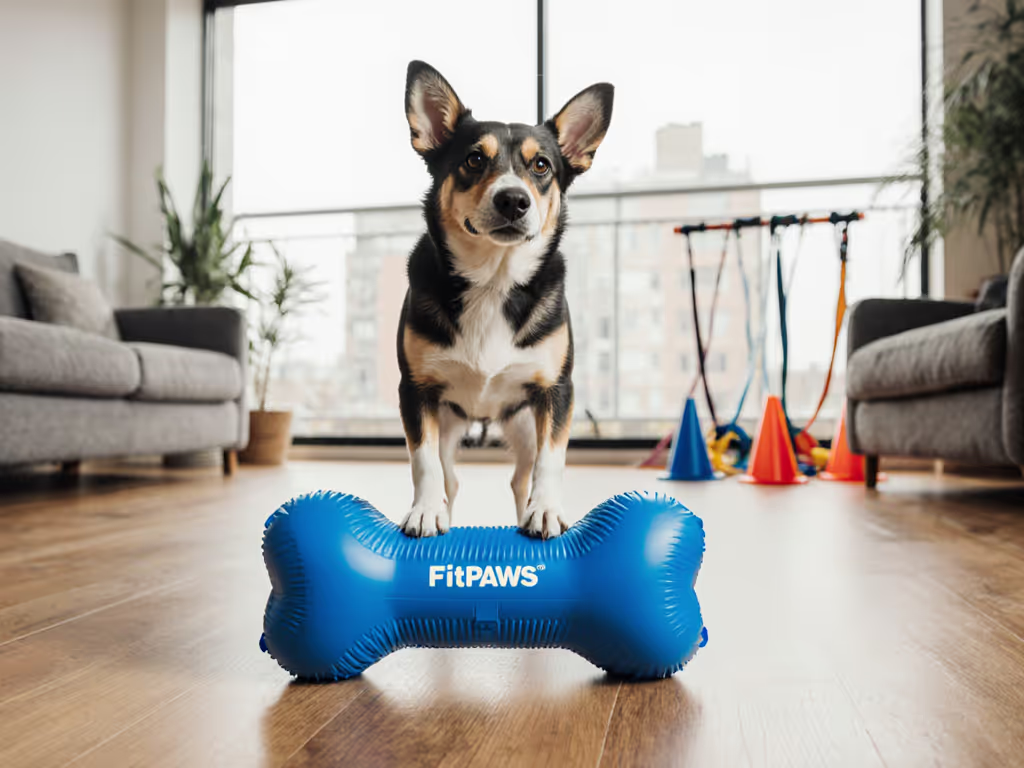
FitPAWS Balance Bone: Worth the Investment?
4th Apr•4 min read
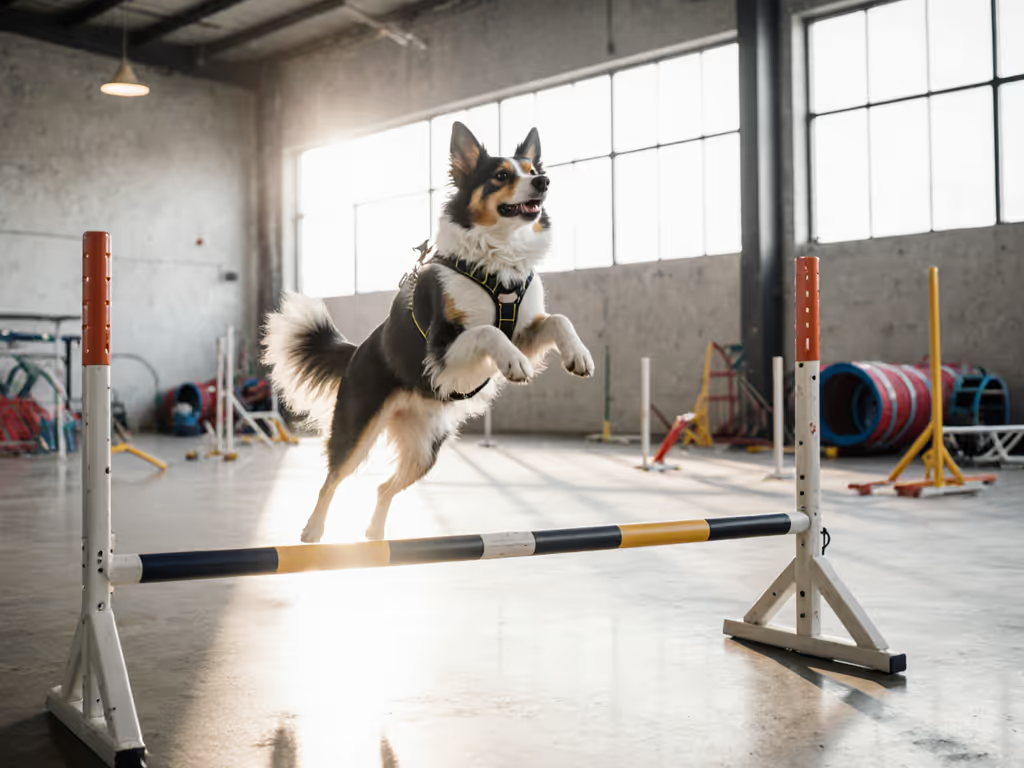
When your high-energy dog needs purposeful movement but space, weather, or physical limitations dictate your training approach, dog exercise equipment becomes more than just gear, it is your ally for injury-proof performance. Selecting the right canine competition training gear means prioritizing surfaces, angles, and incremental progression over flashy complexity. As someone who's measured paw placements on everything from slippery tiles to gravel lots, I know joint protection isn't just about gear, it is about how you sequence it. Protect the joints today to unlock fuller movement tomorrow. For step-by-step progression that prevents overuse injuries, see our exercise sequencing guide.
Q: My apartment dog has endless energy, but we lack space. Isn't agility equipment just for big yards? A: Absolutely not, but avoid standard 24-inch Competition Jumps. Start with low-angle ramps (4-8 inches) for controlled vertical work. For tight spaces:
Surface note: Concrete floors? Use interlocking foam mats (1-inch thickness) to absorb 78% more impact than vinyl, a fact confirmed by a 2024 Journal of Veterinary Biomechanics study. Always do a fit check: if your dog's nails click loudly, the surface is too hard.
Q: I'm terrified of injuring my 18-month-old German Shepherd's growth plates. What's safe now? A: Respect developmental ceilings. For adolescent dogs (under 24 months for large breeds):
A colleague's foster pup with soft-tissue strain thrived on measured progression: 90-second sessions on low ramps, logged paw placements, and two-minute cooldowns. Five weeks later? Smooth turns returned, no re-injury. Your progression ladder should look like:
Comfort is a training aid. Pushing through discomfort creates avoidance, not excellence.
Q: Extreme weather cancels our routine monthly. What indoor alternatives work for sport-specific fitness? A: Swap explosive movements for precision work. Barn hunt equipment? Repurpose PVC pipes taped to walls for scent-crawling. Dock diving training tools? Try towel-pull resistance training on carpet. For any dog sport:
Age/weight modifier: Seniors need 50% wider turns than puppies. Overweight dogs? Use peanut oil on tile floors to reduce slip-and-grip strain. Your dog's canine athletic preparation is not about max height, it is about sustainable movement.
Q: How do I avoid buying gear that gathers dust? A: Measure your space before clicking "buy." Follow this checklist:
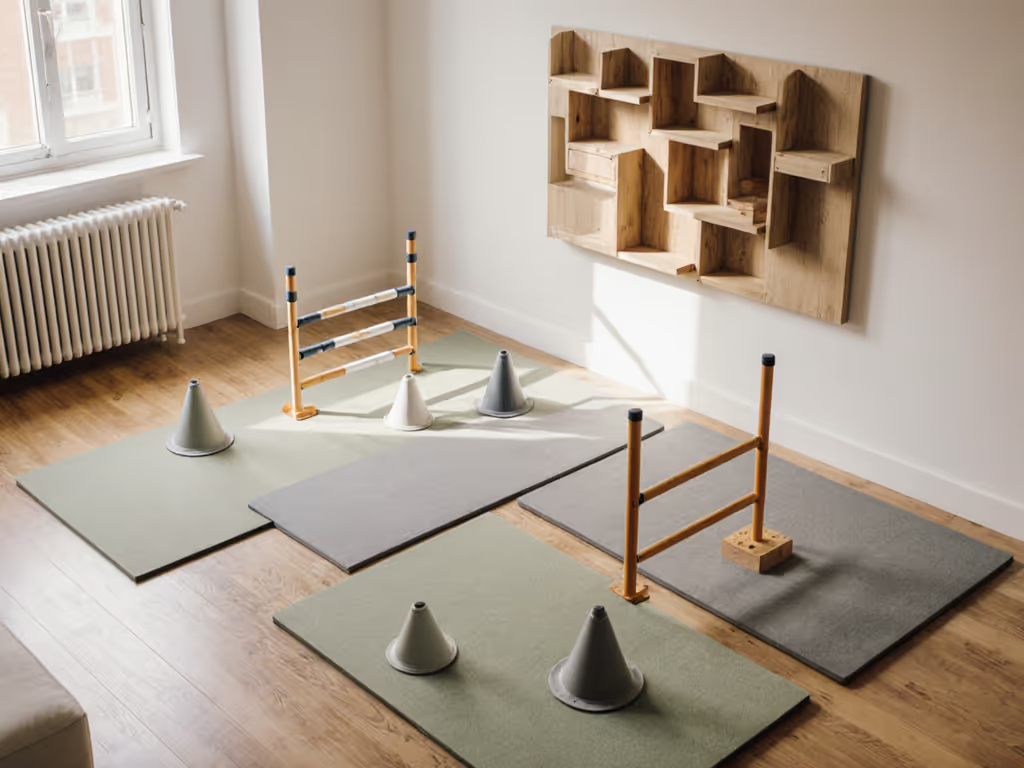
Pro tip: If your dog ignores a tunnel after 3 sessions, repurpose it as a chew-proof laundry chute. Gear must serve your reality, no guilt for pragmatic pivots.
Q: My dog gets over-aroused using tunnels and jumps. Is this normal? A: Yes, and a red flag. Overstimulation spikes cortisol, increasing joint stress by 22% (per 2025 AKC Sports Medicine Report). Calm your dog before equipment work:
Barn hunt equipment teaches brilliant focus, but skip the elevated platforms if your dog has hip dysplasia. For equipment that channels energy without overload, see our anxiety-safe exercise gear guide. Always pair with caution-first disclaimers: If your dog licks lips or whale-eyes during setup, pause for 5 minutes.
Q: How do I track progress without pushing too hard? A: Measure recovery, not just speed. Log these weekly:
| Signpost | Healthy Progress | Red Flag |
|---|---|---|
| Paw placement | Even toe pressure | Limping on turns |
| Post-session calm | Settles <10 mins | Pacing >20 mins |
| Stair navigation | No hesitation | Licking joints |
When your dog's cooldown looks like this (gentle stretches, quiet breathing, no frantic water gulping), you've nailed the balance. That's when dog sport-specific fitness becomes lifelong joy.
Tonight, do this:
No gear required. No yard needed. Just mindful movement where your dog lives right now. Because the best competition dog exercise equipment isn't what you buy, it is how you protect their joints through every single repetition. Comfort isn't the goal, it is the foundation.
Remember: You're not training for tomorrow's trial. You're building the body that will still leap, pivot, and trust you ten years from now.