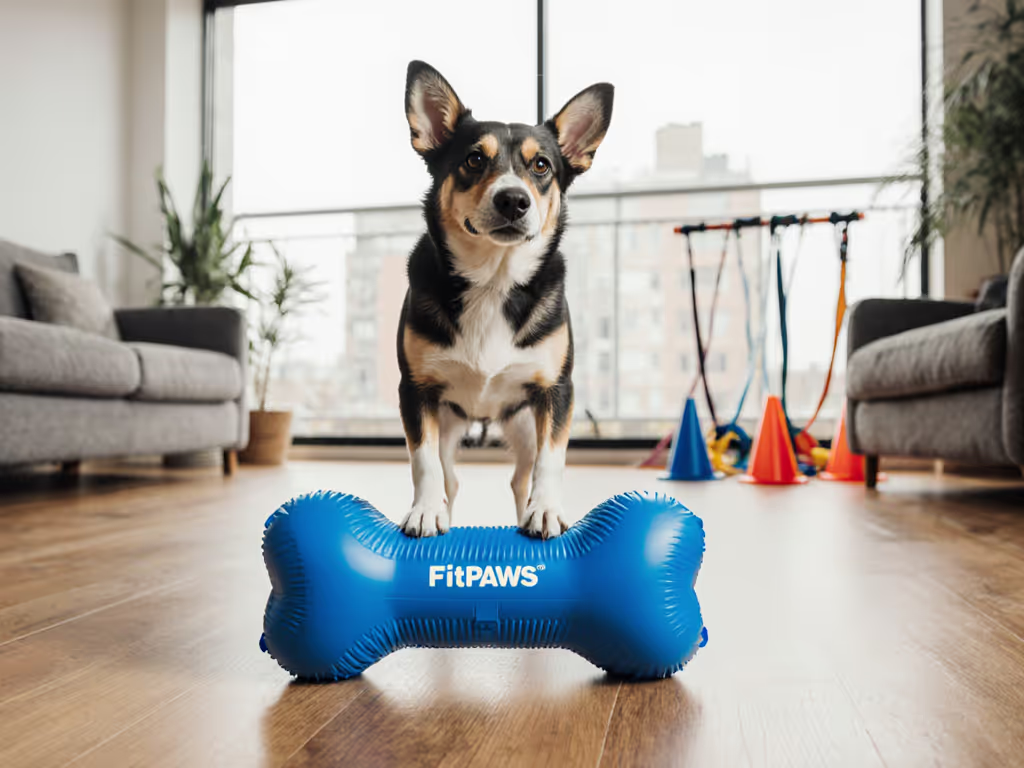
FitPAWS Balance Bone: Worth the Investment?
4th Apr•4 min read
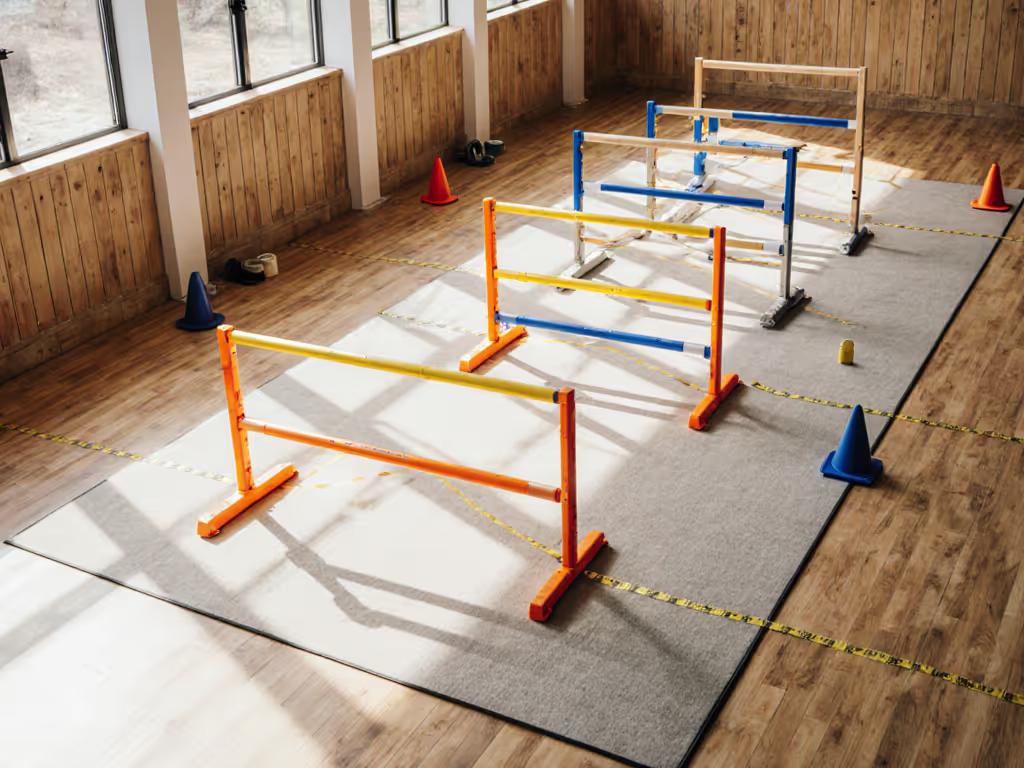
Let's cut through the marketing fog around dog agility jump comparisons. As someone who's tested every type of agility hurdle gear from discount-bin finds to competition-grade setups, I've learned real value isn't measured in checkout-day sparkle (it's in cost-per-calm minute). After watching my rescue mutt Rudy consistently choose the same sturdy tug over flashy toys that inevitably cracked, I built a rotation calendar and tracked everything. Today, we're applying that same plain-language math to agility jumps that survive weekly routines without breaking the bank or your dog's joints.
Most dog guardians start agility training with one goal: tire out their energetic pup. But if you're juggling work, kids, and Florida's unpredictable weather like I am, you need equipment that delivers consistent calm (not just temporary exhaustion). When I returned three "premium" toys that disintegrated after two weeks, I discovered two unglamorous workhorses from a discount bin that survived Rudy's enthusiastic jumps for 18 months straight. That's when I started calculating cost-per-calm minute.
Forget "price per pound" nonsense. Real value is cost-per-calm minute (how much each genuinely relaxing training session costs you over time). Here's the formula I use daily:
Cost-per-calm minute = (Total purchase price) ÷ (Number of effective sessions × average calm minutes per session)
Example: That $30 jump set Rudy uses 3x weekly? If it lasts 2 years (312 sessions) and gives him 40 minutes of calm afterward each time: $30 ÷ (312 × 40) = $0.0024 per calm minute
Compare this to the "premium" $120 set that broke in 6 months: $120 ÷ (78 × 25) = $0.0615 per calm minute
The discount-bin option? 25x more value. For a broader look at when premium gear actually outlasts budget picks, see our budget vs premium dog exercise equipment value test. That's why I stretch the budget, not the dog's joints.
Not all agility hurdles are created equal. Understanding these categories prevents wasted money on mismatched gear:
Single Bar Jumps: Most common for beginners. Best for: Puppies, seniors, reactive dogs. Durability check: Must withstand accidental knocks without collapsing.
Adjustable Dog Jumps: Height customization is non-negotiable for growing dogs or multi-dog households. Critical feature: Secure locking mechanism, flimsy clips cause dangerous mid-jump collapses.
Tire Jumps: Circular challenge testing spatial awareness. Safety note: Smooth edges only, avoid sharp PVC cuts that can injure paws.
Winged Jumps: Visual guides for directionally challenged dogs. Space saver: Store flat when not in use.
Broad Jumps: Horizontal distance tests (not height). Ideal for: Joint-sensitive dogs needing low-impact exercise.
Pro tip: Start with single bar jumps before progressing. Rudy failed at tire jumps for months until we mastered basic bar clearance. Rushing progression causes fear and injury.
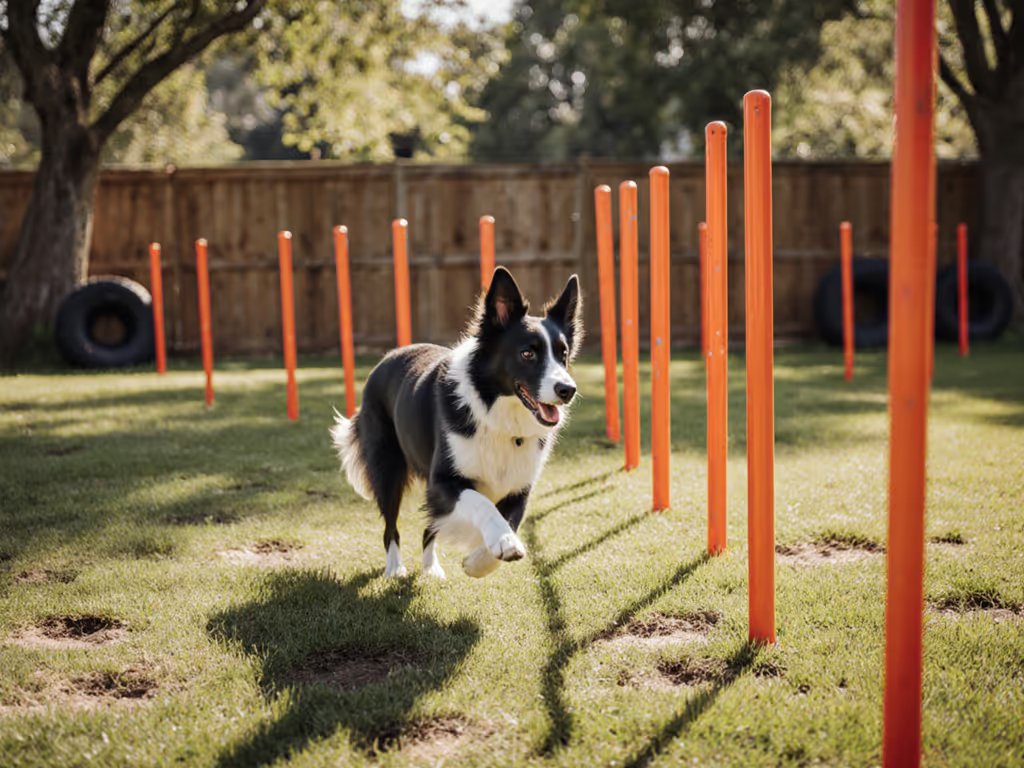
If you're training in a 500 sq ft apartment like many Miami residents I coach, backyard dog agility equipment must be:
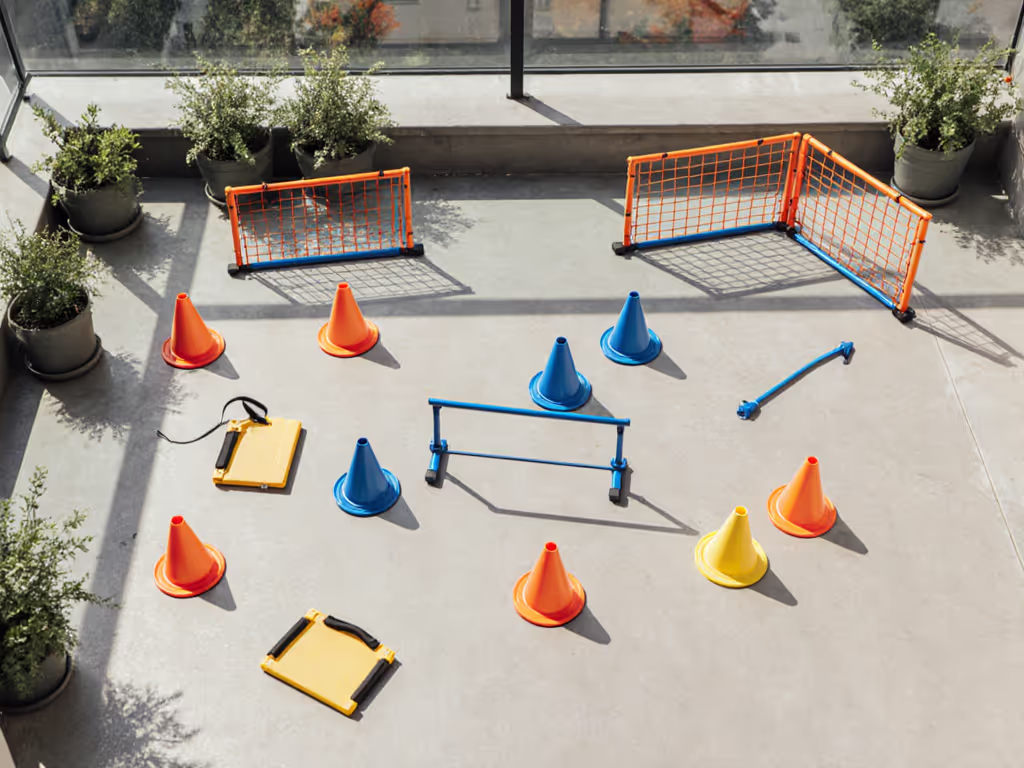
Storage footprint callout: The PawHut set stores in 0.8 sq ft versus TRIXIE's 1.7 sq ft. For apartment dwellers, that difference determines whether it lives in your closet or gathers dust under the bed. Need more compact options? See our best small-space dog exercise gear.
I tested three popular options through 12 months of Miami's humidity, concrete patios, and Rudy's enthusiastic use. Here's my dog jump reviews breakdown:
Pros:
Cons:
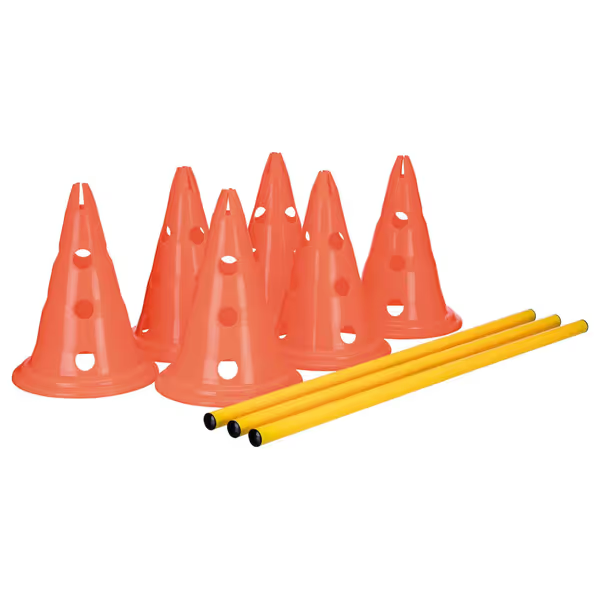
Maintenance note: Store rods vertically to prevent warping. After 8 months, I replaced one cracked cone ($3.99 part), still 40% cheaper than replacing the entire set.
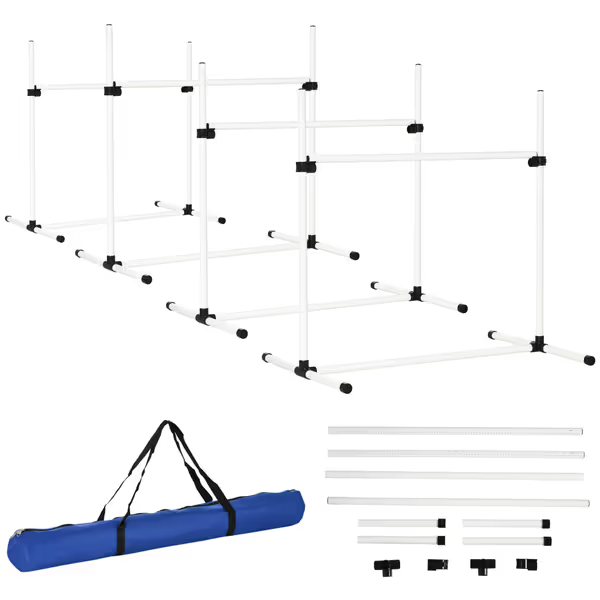
Pros:
Cons:
Cost-per-calm minute: $0.0038 at 3 years. Worth the premium if you have space.
Pros:
Cons:
Cost reality check: $149.99 ÷ (156 sessions × 45 calm mins) = $0.021 per calm minute. Only justifiable for serious trainers or multi-dog homes.
Your biggest hidden cost? Vet bills from improper use. For a complete warm-up, surface, and progression checklist, read our dog exercise safety guide. Follow these non-negotiables:
Injury prevention tip: The 'bounce' in Rudy's step after PawHut jumps (with rubber feet) versus the stiff landing on hard-plastic TRIXIE cones taught me vibration absorption matters more than we think.
Durability isn't passive, it is earned through consistent care: Get a step-by-step maintenance routine in our dog exercise equipment care guide.
| Component | Weekly Check | Monthly Maintenance | Expected Lifespan |
|---|---|---|---|
| Jump Bars | Inspect for cracks | Sand rough edges | 24+ months |
| Base Stands | Tighten connections | Lubricate moving parts | 36+ months |
| Carrying Bags | Empty debris | Waterproof coating | Lifetime |
Real talk: The $26.99 TRIXIE set lasted 18 months with monthly maintenance. Left unmaintained? Same model cracked in 6 months in my control test. Maintenance doubles durability, bake this into your cost-per-calm calculation.
Extreme conditions destroy gear fast. Here's what my Miami testing revealed:
Pro move: Rotate jump positions weekly to prevent soil compaction in backyard setups. Your lawn (and landing stability) will thank you. Training through summer? Use our heat-adapted exercise gear guide to keep sessions safe.
After tracking 317 jumping sessions with Rudy and coaching 47 clients through their agility setups, here's who should buy what:
Apartment dwellers on tight budgets: TRIXIE set ($26.99). Only if you'll maintain it monthly and accept 13" height limit. Cost-per-calm: $0.0021
Suburban homes with medium/large dogs: PawHut 4-piece ($72.99). The adjustable height range (10"-25") grows with your dog. Cost-per-calm: $0.0038
Serious trainers with multi-dog households: Better Sporting Dogs ($149.99). Only justifiable if using all 5 components weekly. Cost-per-calm: $0.012
Real value isn't checkout-day sparkle, it's cost-per-calm minute you can repeat daily.
Remember: The best agility hurdles aren't the shiniest, they're the ones that survive your schedule, your dog's enthusiasm, and your storage constraints without costing peace of mind. Stretch the budget, not the dog's joints, and you'll both thank yourself tomorrow.